

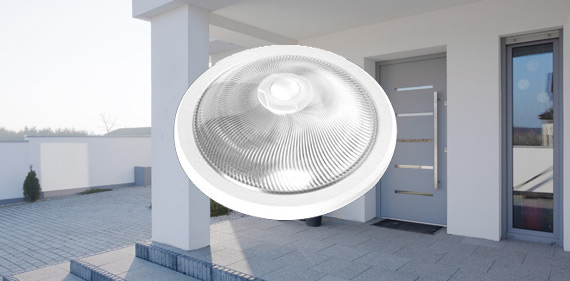

Why Is Switch and Socket Selection So Important in Modern Interior Designs?
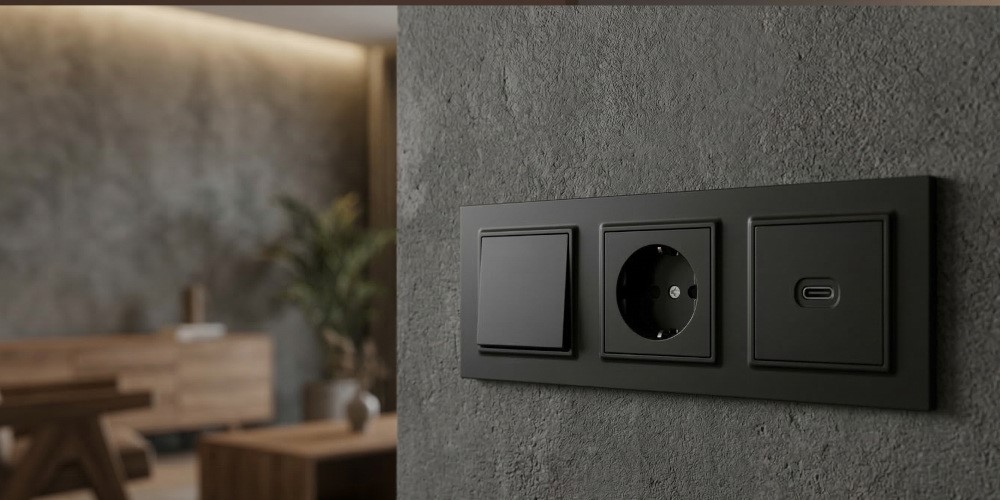
In modern architectural projects, the aesthetic and technical integration of electrical termination products goes far beyond determining the visual value of the space, becoming one of the most vital hardware items where a complex engineering infrastructure ranging from the flammability level of the polycarbonate raw material based on glow wire tests to the conductor tightening torque of the terminal mechanisms directly intersects with user safety. Electrical wiring is the nervous system of buildings. Switches and sockets are the endpoints of this system. Interior architects look for fine details in their designs. Electricians focus on installation speed and durability. Correct socket selection in interior design meets all these expectations simultaneously. Aesthetic standards cannot be separated from technical necessities. Makel hardware successfully combines these two disciplines.
The Intersection of Aesthetics and Engineering: Electrical Installation
Regarded as the finishing touches that complete the visual language of living spaces, switching elements offer a flawless surface alignment that does not disrupt architectural integrity thanks to the ability of their flexible body structures sitting in flush-mounted junction boxes to tolerate wall roughness and the low transition resistance created by silver alloy contacts, thereby exhibiting a long-lasting operating performance that minimizes electrical arc risks. Details at eye level define the quality of the space. Cheap plastic components yellow over time. High-quality polymers preserve their first-day shine. Safe electrical current meets elegant designs. Lighting scenarios start with these small touches.
Frame and Cover Harmony Ensuring Design Integrity
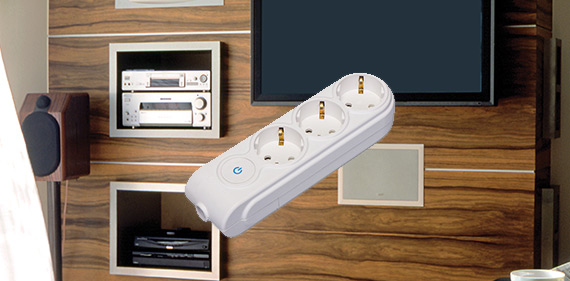
Thanks to the functional flexibility brought by modular architecture, multi-gang frame systems that combine different electrical tasks in a single mounting box allow users to easily customize cover materials according to wall colors or changing furniture trends without making a structural intervention to the installation infrastructure, enabling interior designs to instantly keep up with the spirit of the time. Color transitions create depth in the space. Frame and cover harmony completely prevents visual clutter. Multi-gang frames are preferred over single sockets. These systems create great convenience behind television units. Data, energy, and multimedia connections come together side by side.
Modern Switch and Socket Design Criteria by Space Type
Dynamic load characteristics and ergonomic expectations, which differ according to the intended use of buildings, make it mandatory for each functional area, from two-way (vavien) lighting control in bedrooms to heavy data flow in open offices, to be supported with specific technical equipment and space-specific forms, increasing the weight of material selection during the project design phase. The electrical need of each room is different. Bedrooms seek high comfort. Kitchens need durability against heavy loads. Modern switch and socket design puts these functions into an aesthetic shell. Project planning is done on a room basis.
Minimalist Lines and Comfort in Living Spaces
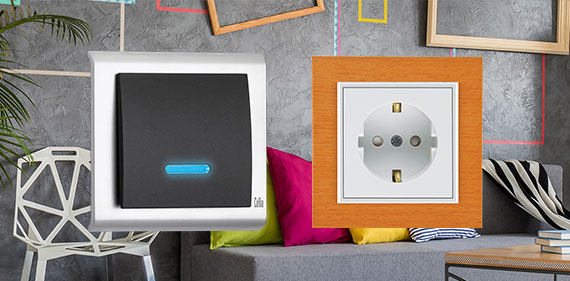
When managing the lighting scenarios of relaxation areas where users relieve the tiredness of the day in residential projects, preferring spring-loaded contact structures with silent operating mechanisms and using shutter systems that physically prevent the insertion of foreign objects into the socket as standard equipment, especially in children's rooms, form the invisible layers of comfort and safety behind aesthetic minimalism. Minimalism rejects eye-straining details. Straight lines make the space look more spacious. The Makel Lillium series perfectly reflects this modern understanding. Child-protected socket outlets prevent home accidents. The smoothness of the switch key elevates the feeling of quality.
Modular Socket Systems and Efficiency in Workspaces
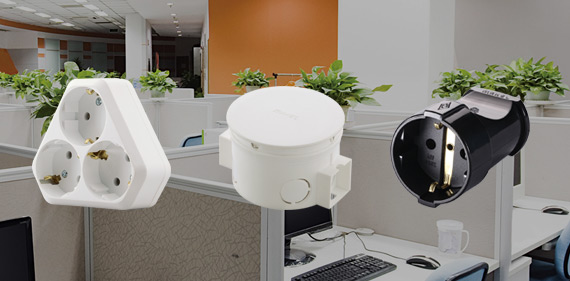
Developed to meet the constantly changing technological requirements of commercial enterprises and modern workspaces, infrastructures optimize cable management and maximize operational efficiency at workstations by integrating RJ45 connectors supporting high-frequency data transmission and red color-coded network outputs connected to uninterruptible power supplies (UPS) on the same polycarbonate chassis. The energy need in offices is quite high. Modular socket systems offer rational solutions to this density. Cable piles are not desired on study desks. Earthed sockets are clearly separated from UPS lines. Module replacement is done without touching the wiring.
The Invisible Effect of Material Quality in Interior Architecture
The flammability resistances of engineering plastics, which are predominantly preferred in the production process of electrical equipment perceived as decorative objects from the outside, based on high heat tests and the corrosion tolerances of conductive alloys in the internal mechanism, are the most critical structural factors that preserve the physical appearance of the space for many years and directly determine fire safety. Quality shows itself in the details. Material life is directly installation life. Low-quality plastics become brittle over time. Capillary scratches on the surface create a matte appearance. Antistatic surface feature significantly reduces dust adhesion. Cleaning operations become more practical.
Polycarbonate Bodies and the Importance of UV Resistance
Acting as a high shield against photochemical degradation in areas highly exposed to sunlight, UV-additive polycarbonate raw materials, unlike ABS-based traditional plastics, preserve their molecular structure and do not lose their mechanical strength, allowing products to maintain their first-day brilliant whiteness even after years pass since they left the production line. Sun rays are the enemy of plastic hardware. UV protection stops chemical yellowing. Polycarbonate is extra resistant to impacts. Surfaces show high resistance against scratches. Architectural aesthetics are preserved for years.
Electrical Installation Safety and the Role of Correct Mounting
Directly guaranteeing the visual success of the architectural project, electrical installation safety requires a professional application chain ranging from adjusting the stripping margins of copper conductors placed in terminal slots with millimetric precision to tightening mounting screws at optimal torque values that will not deform the carcass structure, making it the most critical stage where master workmanship integrates with device quality. Mounting errors increase the risk of failure. Loose screws create heating in the terminals. Excessive heat melts the plastic body. The socket must fit perfectly into the box. Crooked frames ruin wall design.
Terminal Structure and Conductor Connection Precision
Offering fast and error-free wiring capability, new generation screwless spring terminal technologies prevent electrical arc formation by keeping the pressure on the contact surface constant even during expansions and contractions caused by temperature changes, thanks to the clamping force automatically adjusted according to the conductor's diameter, and guarantee the calibration of the installation for a lifetime. Screw terminals represent traditional methods. Spring systems bring great speed to installation. The cable end must settle completely into the slot. No bare wire should remain outside the terminal. Correct connection prevents energy loss. Errors caused by the installer are thus minimized.
IP Protection Classes in Wet Areas
In order to protect the installation integrity against corrosion in areas with high humidity rates such as bathrooms, industrial kitchens, or open terraces, using hardware equipped with silicone-based gaskets and spring cover systems that mechanically prevent liquid ingress in the IP44 or IP55 protection class, which shows extra resistance against water jets, is a strict necessity from an engineering perspective. Water is a great danger to electrical current. Humid areas require special products suitable for these conditions. The Makel Nemliyer series provides reliable IP44 protection in bathrooms. The Nemliyer Plus IP55 series is preferred in gardens and open garages. Rubber gaskets stop water leakage. Spring covers hide exposed sockets.
Decorative Electrical Switches Comparison Table
When determining the series that will harmonize with your interior design concept, analyzing the differentiating technical parameters of the hardware from case types to module capacities and installation flexibilities brings along a strategic decision-making process to construct the budget optimization of your project and ensure its long-term operational efficiency. Needs determine the right choice. Correct hardware elevates living comfort. Decorative electrical switches reflect the general identity of the space. The Makel Cellia series adds modular flexibility to multiple functions. The Lillium series highlights elegance with its rounded lines. Making comparisons reduces field errors.
|
Feature |
Traditional Series (e.g., Lillium) |
Modular Series (e.g., Cellia) |
Wet Area Series (e.g., Nemliyer Plus) |
|
Design Focus |
Minimalist and elegant lines |
Functional and compact |
Industrial and isolation-focused |
|
Box Compatibility |
Standard round junction box |
Rectangular modular box |
Surface/Flush mount special box |
|
Frame Capacity |
2-gang, 3-gang, 4-gang combinations |
Expansion up to 7 modules |
Usually single or double |
|
Mechanism Structure |
Fixed chassis mechanism |
Removable independent module |
Special gasketed body |
|
Ideal Application Area |
Residential living rooms, Bedrooms |
Modern offices, Workstations |
Bathrooms, Open terraces, Garages |
Future Architectural Trends with the Makel Product Range
Working fully integrated with developing building automation technologies and sustainable energy approaches, the Makel product range creates the digital nervous system of spaces across a wide spectrum from lighting control to climate management, producing high-engineering solutions that bring 2026 living standards to architectural projects today. Architectural trends change along with technology. Hardware quality directs the design. Smart control units are beginning to become standardized. Makel pioneers this structural transformation with its quality. Long-lasting materials reset replacement costs. Innovative and safe solutions add value to buildings.