

What is a Surface-Mounted Switch & Socket? Installation Guide (2026)
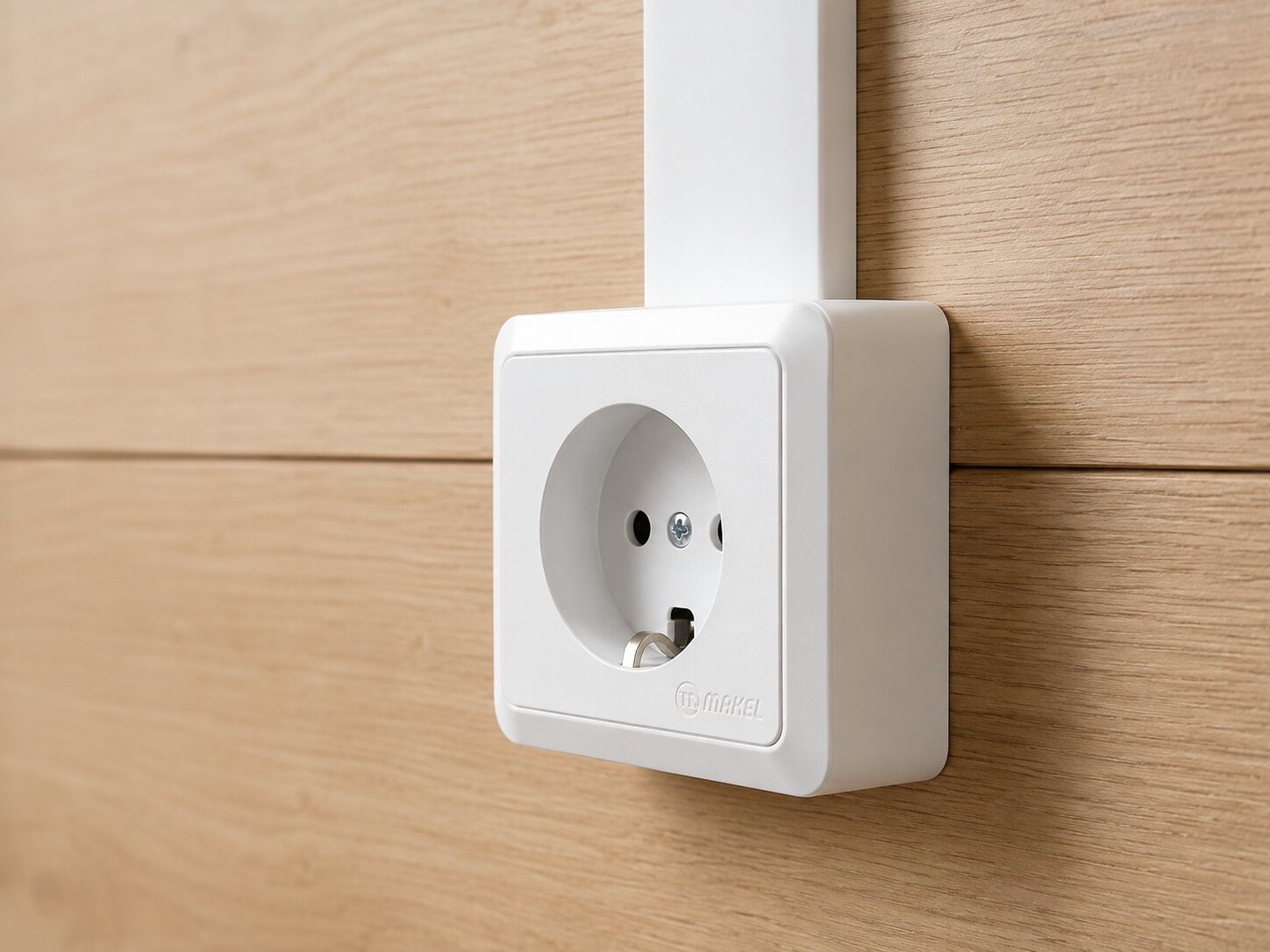
What is a Surface-Mounted Switch and Socket? Selection and Setup Guide
When upgrading or expanding the electrical infrastructure of an existing building, one of the biggest concerns is the disruption caused by breaking into walls. Chasing out concrete, embedding back boxes, and conducting subsequent plastering and painting work leads to significant downtime and added costs.
This is precisely where surface-mounted socket and switch systems come in—delivering fast, reliable, and practical solutions without causing structural wall damage. In this guide, we will analyze surface-mounted installation techniques, explore when these modules should be selected, evaluate the core differences between flush and surface-mounted hardware, and break down how to choose the correct IP protection rating.
When Should You Choose Surface-Mounted Switches and Sockets?
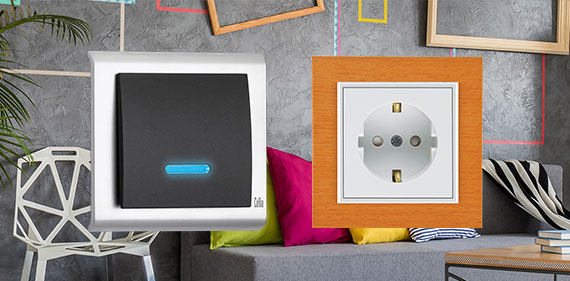
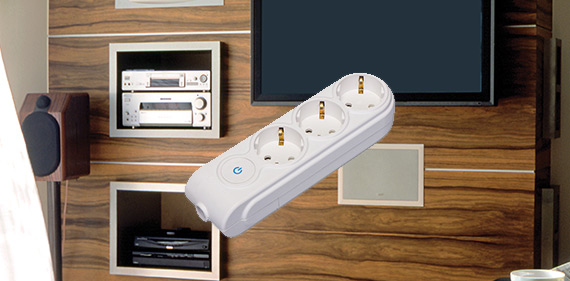
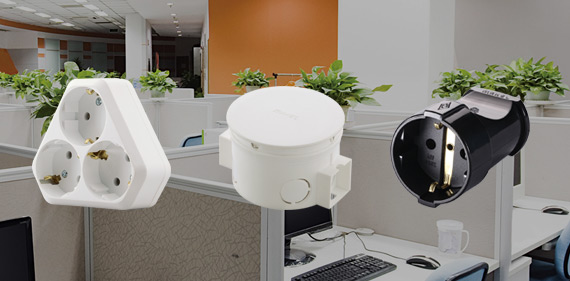
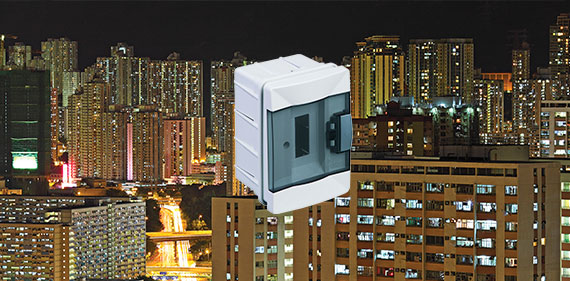
Surface-mounted switch and socket solutions are electrical fittings installed directly onto the outer wall surface, with power supply cables usually routed externally through decorative cable trunking or conduits.
Surface-mounted systems represent the ideal choice in the following application scenarios:
- Finished Interiors Where Renovation is Unwanted: Adding a new outlet or switch to painted walls, wallpapered surfaces, or heritage properties without destroying wall structures.
- Wooden and Prefabricated Structures: Environments where chasing out walls is structurally impossible or unsafe, such as timber homes, shipping containers, steel-frame buildings, and prefabricated offices.
- Workshops, Storage Units, and Garages: Industrial or commercial spaces where practical assembly and functionality take precedence over hidden wiring aesthetics.
- Balconies and Garden Perimeter Walls: Outdoor installations where running external surface conduits is more efficient than weakening concrete walls.
Flush-Mounted vs. Surface-Mounted: Key Differences
These two fundamental approaches to electrical wiring feature distinct structural and assembly characteristics:
| Feature | Flush-Mounted Modules | Surface-Mounted Modules |
|---|---|---|
| Assembly Method | Embedded inside back boxes recessed into chased walls. | Screwed directly onto the outer wall surface. |
| Cable Routing | Cables run through conduits concealed under plaster. | Cables run externally via cable trunks or surface clips. |
| Labor & Renovation | Requires wall chasing, plaster repair, and repainting. | No wall destruction; ensures fast and clean assembly. |
| Ease of Maintenance | Accessing concealed wiring requires wall breaking. | Cables and modules are accessible for fast inspection. |
How to Install a Surface-Mounted Socket Without Chasing Walls
To execute a clean, damage-free surface-mounted installation, follow these structured steps:
- Safety First: Before commencing work, switch off the main circuit breaker at your distribution panel and verify the absence of voltage using a reliable tester.
- Determine the Power Source: Plan your cable path by taking a parallel feed from the nearest junction box or existing power socket.
- Install Cable Trunking: Secure self-adhesive or screw-fixed decorative cable trunking to the wall to keep conductors organized and aesthetically tidy.
- Mount the Rear Base: Position the back plate of the surface socket against the wall, drill pilot holes, and anchor it securely using wall plugs and screws.
- Connect the Wiring: Pass the supply cable through the membrane/gland entry on the housing base. Firmly screw the Phase, Neutral, and Earth conductors into their designated socket terminals.
- Attach the Front Plate: Secure the front decorative cover with its mounting screws to complete the assembly.
For reliable, sleek solutions that eliminate wall renovation hassles across your projects, explore Makel's Surface Mounted Series Group collection.
Selecting the Right IP Rating for Surface-Mounted Hardware
Because surface-mounted units are often installed in exposed areas, choose an IP rating tailored to the environment's dust and moisture levels:
- IP20 Protection Rating: Ideal for standard dry indoor living areas, offices, timber-paneled rooms, and basic interior extensions.
- IP44 Protection Rating: Guards against water splashes, making it suitable for covered balconies, kitchens, basements, and light-humidity workshops.
- IP55 and Higher Ratings: Essential for exposed outdoor garden walls, car wash facilities, and industrial facades exposed directly to rain and harsh weather.
Practical, Safe, and Renovation-Free Wiring
Adding new power points to your living spaces does not have to involve messy wall demolition or costly repainting. Manufactured from high-grade, flame-retardant polymers, surface-mounted switches and sockets offer a rapid, secure, and attractive alternative. Makel's extensive product range ensures long-lasting operational reliability across both indoor applications and demanding outdoor environments.