


Why Does a Circuit Breaker Keep Tripping? Causes & Fixes
Experiencing a sudden power cut when a switch trips inside your consumer unit is one of the most common electrical occurrences in homes and commercial properties. In most cases, occupants walk up to the panel board and flip the toggle back on without a second thought. However, a tripped breaker is not a fault in itself—it is an essential safety response designed to prevent conductor burnout, equipment destruction, and domestic fires.
So, why does a circuit breaker trip, what makes repeated tripping dangerous, and what precautions should you take before resetting the panel? In this troubleshooting guide, we break down Miniature Circuit Breaker (MCB) trip mechanisms, walk through logical fault isolation steps, and outline key selection criteria for protective switchgear.
Top 4 Reasons Why a Circuit Breaker Trips
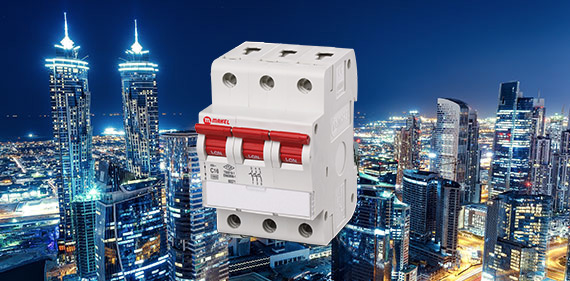
A standard miniature circuit breaker incorporates dual internal tripping elements: thermal (bimetal) for sustained overloads and magnetic (solenoid) for instantaneous short circuits. The root causes behind a trip typically fall into one of four categories:
1. Circuit Overload (Thermal Tripping)
An overload occurs when the cumulative running current of all connected appliances exceeds the breaker's rated nominal capacity (amperage).
-
Common Scenario: Running an electric kettle, microwave, dishwasher, and air fryer concurrently on the same kitchen ring or radial branch.
-
Operating Mechanism: Excessive current creates cumulative resistive heat along conductors. An internal bimetal strip slowly deflects until it releases the mechanical trip latch. Because thermal deflection depends on heat accumulation, overloads usually trip a few minutes after appliances start running rather than instantaneously.
2. Short Circuit Fault (Magnetic Tripping)
A short circuit occurs when a live line conductor directly contacts a neutral conductor or grounded frame, causing electrical resistance to drop near zero and driving prospective fault currents to thousands of amperes within milliseconds.
-
Common Scenario: Crushed or pinched cords, rodent damage behind walls, loose screw terminals inside an outlet box, or a shorted internal circuit board inside an appliance.
-
Operating Mechanism: High fault currents energize an internal electromagnetic coil, shifting a magnetic plunger that clears the circuit within milliseconds. This rapid separation extinguishes prospective arcs inside arc chutes before copper wiring can melt. A short-circuit trip is frequently accompanied by a distinct click, popping sound, or small spark.
3. Faulty or Deteriorating Appliances
Often the fixed premises wiring is intact, and the issue lies within a specific plugged-in device. Failing heating elements in clothes dryers, electric water heaters, or steam irons frequently break down under temperature, creating phase-to-chassis or live-to-neutral shorts that trip the circuit.
4. Tripping Confused with Residual Current Devices (RCDs)
Occupants frequently confuse standard circuit breakers with an RCD (Residual Current Device) or RCBO in the consumer panel. If the tripped module features a "Test" button (marked T), it is an earth leakage protector. Earth leakage devices trip due to minute current leaks migrating to earth (often via human body contact or moisture ingress), not overloads or line-to-neutral short circuits.
For more technical background on how overcurrent devices safeguard building infrastructure, explore Makel's security and automation knowledge base.
When Is It Dangerous to Reset a Tripped Breaker?
Flipping the breaker toggle back up without investigating the underlying cause introduces severe hazards:
-
The Lever Immediately Snaps Back Down: If a breaker trips instantly upon being reset and will not latch in the "ON" position, a hard short circuit remains active on the line. Forcing or taping the lever up can result in immediate cable fires or panel damage.
-
Acrid Odors or Scorching: Never reset a breaker if you smell burning plastic near the consumer unit or detect scorched outlet plates along that branch.
-
The Breaker Body Is Hot to the Touch: Excessive thermal buildup means the internal bimetal is heavily stressed; allow the module to cool and shed connected loads before touching it.
How to Troubleshoot a Repeatedly Tripping Breaker
Follow this methodical isolation sequence to safely locate the underlying fault without risking equipment damage:
-
Disconnect All Connected Loads: Unplug every appliance, adapter, and power strip served by that specific breaker branch. Switch off all wall-mounted light switches on the circuit.
-
Reset the Circuit Breaker: Push the breaker toggle firmly to the full "OFF" position first to reset the internal latch mechanism, then flip it to "ON":
-
If the breaker trips immediately with nothing plugged in: The fault lies in the fixed wiring (a punctured cable, short junction box, or defective breaker module). Discontinue testing and call a licensed electrician.
-
If the breaker stays energized: The fixed building wiring is intact, confirming the fault originates from an appliance or combined circuit overload.
-
-
Reintroduce Appliances One by One: Plug in and power on each appliance individually while observing the panel. If the breaker trips the moment a specific appliance is plugged in or energized, that unit has a short internal circuit and requires servicing.
-
Check for Cumulative Overload: If individual devices run fine on their own but the breaker trips once multiple appliances run simultaneously, redistribute high-draw appliances to separate dedicated circuits.
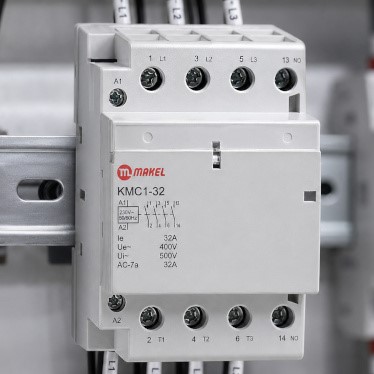
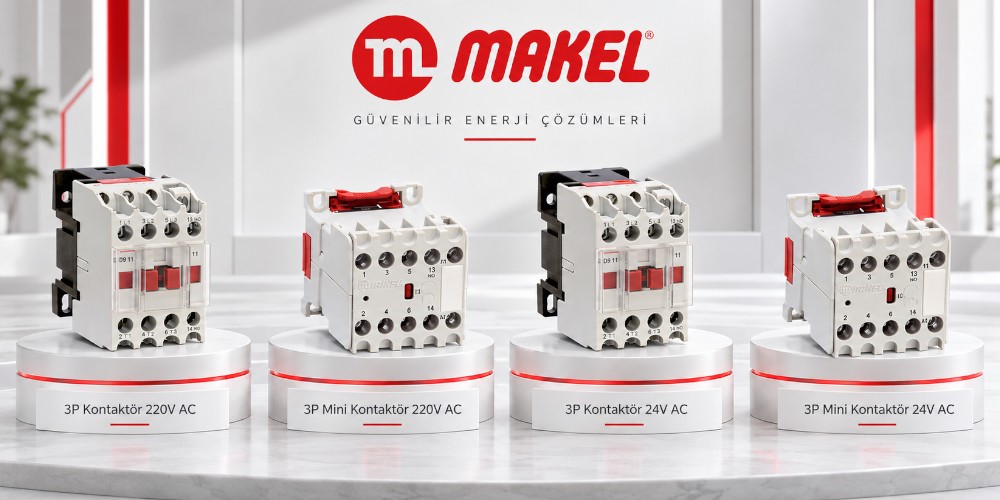
For heavy industrial loads, large motor arrays, or automated commercial systems where repetitive switching requires independent overload management, pairing circuit protection with durable power contactors ensures safe, isolated power switching under demanding duty cycles.
Selection Criteria for Miniature Circuit Breakers (MCBs)
Resolving nuisance trips does not mean arbitrarily replacing a breaker with a higher amperage rating. Breakers are engineered strictly to protect the current-carrying capacity of the downstream copper conductors. Installing a 25A breaker on a 1.5 mm² lighting conductor will prevent the breaker from tripping, but will allow the conductor to overheat inside the wall.
Ensure proper replacement by evaluating these core specifications:
|
Parameter |
Function |
Standard Residential Selection |
|
Rated Current |
Maximum continuous load the circuit can carry. |
10A for 1.5 mm² lighting; 16A for 2.5 mm² socket radials |
|
Tripping Curve Type |
Tolerance against brief startup (inrush) currents. |
Type B (standard domestic outlets/lighting); Type C (AC units, motors, pumps) |
|
Breaking Capacity |
Maximum prospective short-circuit current cleared safely. |
6 kA (6000A) for standard homes; 10 kA for commercial/transformer-adjacent boards |
Treat Tripping as a Protective Warning
A tripped circuit breaker is an indicator that your system is actively shielding property and life from electrical fires and electrocution. Rather than continuously forcing the switch back on, methodically isolate appliances, distribute heavy loads, and verify that the installed breaker curve matches the branch circuit. Manufactured to stringent international standards, Makel’s range of low-voltage switchgear delivers dependable overcurrent protection across residential, commercial, and industrial facilities.