

Switch & Socket Series Selection for Homes and Offices: Design, Module Compatibility, Installation Criteria
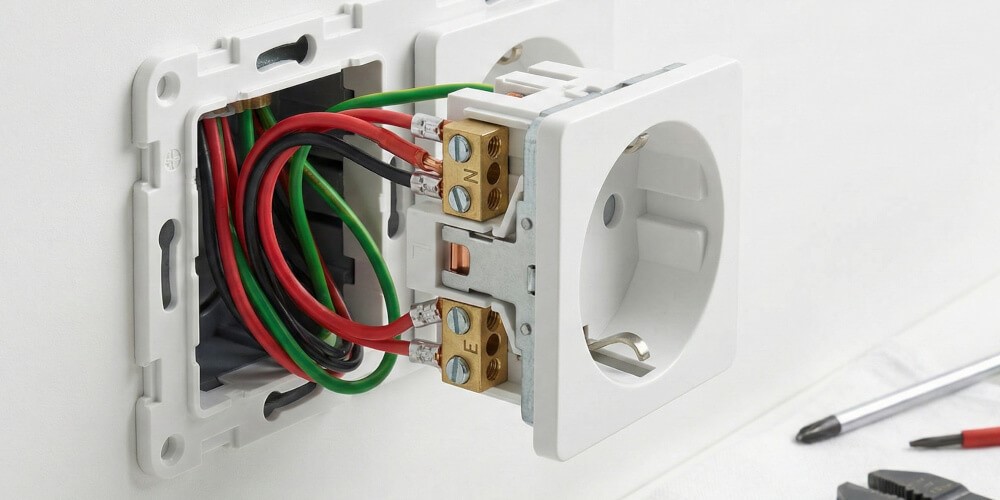
In modern interior design, electrical termination units have evolved beyond being mere functional switching elements into fundamental building blocks that determine the safety and aesthetic integrity of living spaces, ranging from the polymer structure of the raw material used to the precise engineering details in the mounting mechanism. Switches and sockets complement the decoration. Safety starts here. Technical details matter. Right products increase comfort. System life is extended with correct choices.
Every day, we touch these products dozens of times. The selection process cannot be reduced to just visual criteria. Technical data like current carrying capacity, contact resistance, and material flammability are directly related to life safety. This guide brings together technical and decorative criteria for both professional practitioners and users looking for aesthetics.
Selection of Switch and Sockets According to Space Type: Needs Analysis
During the process of determining electrical equipment optimized for the different functional requirements of living spaces, selecting technical parameters ranging from child protection mechanisms to data transmission frequencies according to the purpose of use and load characteristic of each room directly affects the long life and safe operation of the system. Safety is first in homes. Childproof sockets are required. Humidity protection is necessary in bathrooms and kitchens.
Safety and Comfort-Oriented Choices in Homes
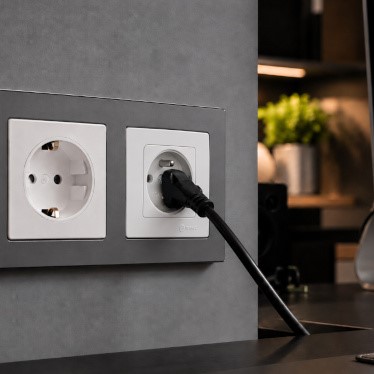
Two-way (vavien) systems, which allow lighting to be controlled from two different points in long transition areas such as bedrooms and corridors, have become an indispensable part of comfort standards in modern residential projects. Contact quality in socket units prevents arcing. Lidded models are used in wet areas. Focus on child protection locks during switch socket selection. These models physically block foreign objects from entering the socket holes.
Modular Solutions and Efficiency in Offices
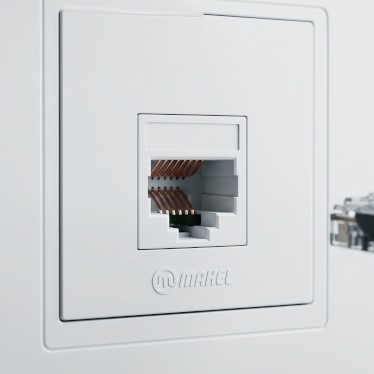
To meet the requirements of uninterrupted power supply and high-speed data transfer in busy office environments, distinguishing UPS sockets with color coding and integrating the category performance of RJ45 data connectors within modular systems maximizes operational efficiency. Use modular socket series in offices. Keep data and UPS sockets separate. Special solutions are applied for desks. Multifunction frames prevent cable clutter.
Modular Compatibility, Frame, and Cover Harmony
The modular architecture, which allows combining multiple functions within a single mounting box, provides flexibility in architectural projects, while the frame and cover harmony with different material and color options allows users to easily update their space designs without requiring any structural intervention. Frames save space. Double and triple frames are common. Module replacement is very easy.
In modular systems, the mechanism, cover, and frame can be chosen independently. This gives great flexibility to interior designers. You can just change the frames when the wall color changes. Visual renewal is done without touching the electrical installation. These systems allow different functions to stand side by side. A switch, a socket, and a USB charging unit fit in one frame.
Technical Installation Criteria: Details for Masters and Practitioners
The full seating of the clawed or screwed tightening mechanisms preferred during the installation phase into the junction box structure inside the wall and the optimization of the cable holding power within the terminal block so as not to loosen over time carry the installation quality to the highest level by minimizing electrical arc risks. Electrical installation mounting requires professionalism. Claw mounting provides fast application. Screw mounting offers a more stable stance.
Terminal Structure and Conductor Safety
The quality of the metal alloy in the terminal block eliminates the risk of overheating by determining the surface contact area and the clamping force of the conductor, while the special channel structure in screw terminals prevents the cable from slipping out of the terminal, preventing installation errors. Cable holding power must be high. Loose connections increase fire risk. Screwless terminals reduce labor time. These terminals fix the cable with a spring mechanism.
Installation Speed and Body Flexibility
Flexible body structures that can tolerate visual defects created by potential surface irregularities and plastering errors on wall surfaces during installation shorten labor time and offer a perfect finishing surface for the end user by ensuring the switch sits perfectly flush against the wall. Flexibility helps with flush-mounted switch socket installation. Flexibility prevents breaks. Installation speed increases. Alignment lines on the body help with level mounting.
Material Quality and Durability: PC vs. ABS Difference
The impact resistance of the high-performance polycarbonate (PC) raw material used in the production process and its compliance with the glow wire test up to 850 degrees offer a higher safety margin compared to ABS plastics, while special additives developed against UV rays prevent the products from yellowing over time, ensuring they maintain their first-day aesthetic appearance for many years. Polycarbonate material is flame retardant. UV resistance prevents yellowing. PC material resists scratches.
ABS plastics are more economical but can change color in sunlight. Polycarbonate keeps its brightness for a long time. Engineering plastics also determine the electrical insulation performance of the product. High insulation resistance minimizes leakage current risks. Antistatic surfaces reduce dust. This extends cleaning intervals.
Makel Design and Functionality Advantages
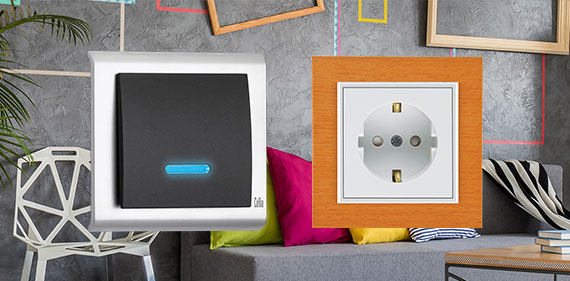
The unique design languages coming to life in Makel's current product series, such as Lillium and Cellia, combine with advanced contact mechanisms and a wide color palette to both remain faithful to traditional installation habits and respond to the minimalism expectations of modern architecture with high engineering solutions. Decorative switch models fit every space. Lillium offers elegant lines. Cellia is modular.
Lillium series softens the sharpness of the square form with smooth transitions. Metallic colors are preferred in modern offices. Cellia series stands out with its multiple combination capability. This series is compatible with Italian-type modular boxes. It offers many functions in narrow spaces. Mechanism silence improves the user experience in both series.
Standard Series vs. Modular Series Comparison
You can examine the following technical comparison table to choose the system that best suits your needs:
|
Feature |
Standard Series (e.g., Lillium) |
Modular Series (e.g., Cellia) |
|
Box Type |
Round Standard Junction Box |
Rectangular / Modular Box |
|
Function Density |
Single or Double |
Up to 3, 4, or 7 Modules |
|
Mounting Flexibility |
Fixed Mechanism |
Replaceable Modules |
|
Design Variety |
Wide Color and Material |
Compact and Functional |
|
Usage Area |
Residences, General Areas |
Offices, Hotels, Data Centers |
|
Mounting Type |
Claw and Screw |
Generally Screw / Chassis |
Balance of Safety and Aesthetics in Electrical Installations
Focusing only on visuals in electrical installation projects brings technical risks, while focusing only on functionality reduces the aesthetic quality of the interior design and creates a visual mismatch in living spaces. The right balance is established with stylish designs with polycarbonate bodies. Silver alloy contacts offer long life. No-heat mechanisms give confidence.
Pay attention to cable stripping length during installation. The copper conductor entering the terminal must not remain outside. This eliminates the risk of a short circuit. Frame mounting should be done at the last stage. Frames installed after painting stay clean. This provides a professional finish.
Switches of the Future: Smart and Sustainable
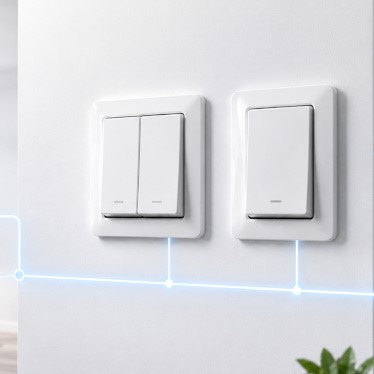
As traditional switches leave their place to electronic mechanisms that can be integrated into smart home systems with the development of technology, dimmer units that provide energy efficiency and time-adjusted sockets become an indispensable component of home automation in the 2026 vision. Motion sensors save energy. USB sockets eliminate adapters. LED switches are easy to find.
Sustainability starts from material selection. Using recyclable plastics reduces the environmental impact. Makel acts with this awareness in production processes. Durable products create less waste. Switches that do not change for many years save resources. Future spaces are shaped by these details.