

What Are the Types of Electrical Sockets? Single, Double, USB, and Smart Socket Comparison
In modern electrical installations, sockets have evolved from passive power outlets into functional hubs that meet the demands of a digital ecosystem. Choosing the right socket type for your project not only prevents cable clutter but also enhances living comfort and aesthetic appeal. Makel’s extensive range of wiring devices and accessories offers a variety of solutions, from classic designs to advanced technological modules suited for every environment.
Standard and Functional Socket Solutions
The building blocks of any installation, these models are designed with a focus on safety and practicality:
-
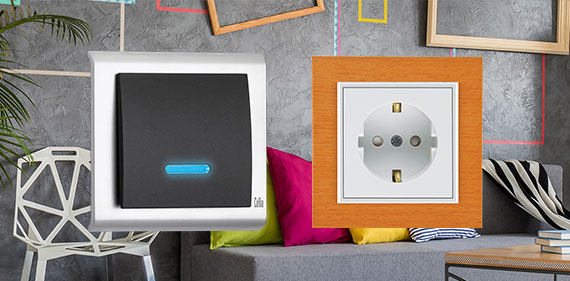
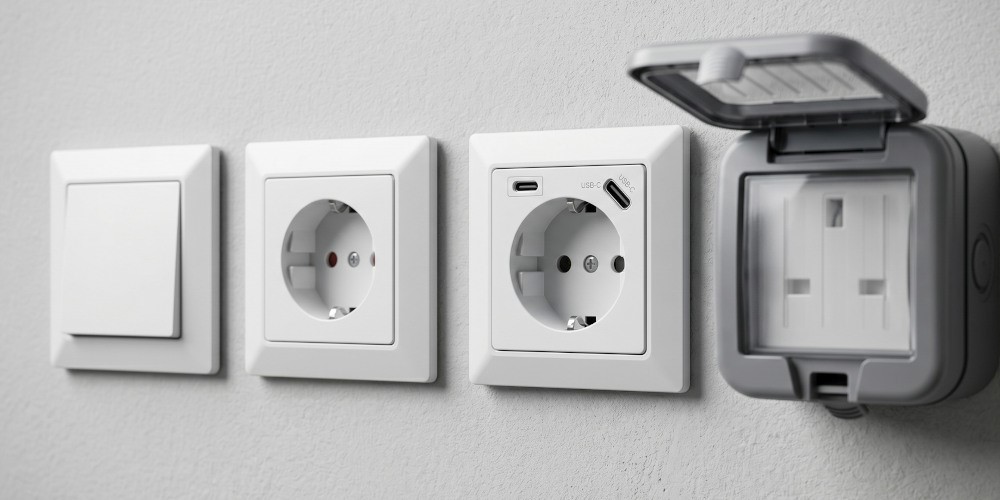
Single Sockets: These are the standard grounded (Schuko) models. They provide the most stable and secure connection point for high-power appliances like washing machines and refrigerators.
-
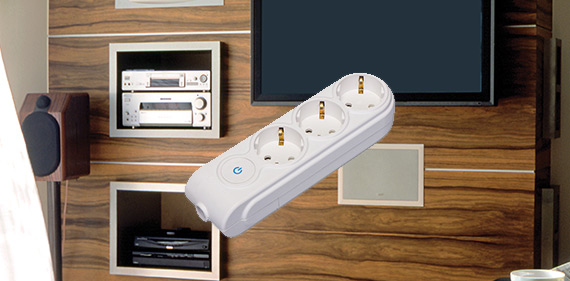
Double Sockets: A practical hero for space-saving, these allow you to double your power output without breaking the wall or adding extra junction boxes. They are ideal for kitchen countertops or home offices.
Explore the full variety in the switches and sockets category to find the perfect match for your interior design.
The Modern Standard: USB Integrated Sockets
With the proliferation of smartphones and tablets, the demand for USB-integrated sockets has peaked. These sockets feature a hidden voltage converter inside the wall, allowing you to charge your devices directly via a USB cable without the need for bulky adapters. Modern versions often include both USB-A and fast-charging USB-C ports, making them the perfect addition to bedside nightstands and office desks.
Smart Sockets: The Energy Management Hub
Transforming a traditional power outlet into an internet-connected, programmable control point is easier than ever. Smart sockets can be controlled via mobile apps from anywhere in the world using Wi-Fi, Zigbee, or Thread protocols.
Ending the "did I leave the iron on?" anxiety, this technology also allows you to monitor the real-time energy consumption of connected devices. With scenario support, you can assign autonomous tasks, such as starting the coffee machine automatically in the morning or turning on lamps when the sun sets.
For Harsh Conditions: Moisture-Proof (IP55) Sockets
Using standard sockets in areas prone to water splashes and dust, such as balconies, gardens, garages, or bathrooms, poses a serious safety risk. This is where the Moisture-proof Plus IP55 group comes into play. With specialized hinged covers and sealing gaskets, these provide full protection against external factors. The IP55 certification guarantees that the socket is resistant to dust and low-pressure water jets from any direction.
Comparison Table: Which Socket for Which Need?
|
Socket Type |
Key Feature |
Best Use Case |
|
Single / Double |
Economical and Reliable |
Living Rooms, Bedrooms, Kitchens |
|
USB Integrated |
Adapter-free Charging |
Offices, Bedside, Hotels |
|
Smart Socket |
Remote Control & Timing |
Lighting, Small Appliances |
|
Moisture-Proof (IP55) |
Water and Dust Resistance |
Balconies, Gardens, Bathrooms |
Critical Factors to Consider When Choosing Sockets
-
Child Protection Lock: Internal shutters inside the socket holes prevent children from touching live conductors, significantly increasing home safety.
-
Material Quality: Fire-retardant and impact-resistant materials like polycarbonate ensure long-lasting use and fire safety.
-
Mounting Depth: USB or smart flush-mount sockets are deeper than standard ones due to their internal circuitry. Always verify that your wall boxes are deep enough before installation.
-
Grounding Quality: High-quality sockets ensure that grounding clips do not loosen over time, maintaining a safe transmission path for your appliances.