

2026 Update on KNX Systems: 7 Most Demanded Scenarios in Homes and Offices
Smart building technologies are undergoing a major transformation as we move toward 2026. Rising global energy costs and sustainability regulations make the digitalization of buildings mandatory. At this point, the KNX protocol sets the standards with its globally accepted open structure. KNX enables devices from different brands to communicate via a single language. Makel stands at the center of this technological transformation with its local production power and KNX-compatible solutions.
Living spaces of the future are no longer just devices controlled remotely. Smart buildings are turning into systems that make their own decisions, learn, and optimize resources. The 2026 vision combines comfort with energy efficiency. Businesses and individual users are turning to automation solutions that reduce their carbon footprint.
2026 Vision in Smart Building Technologies and the KNX Standard
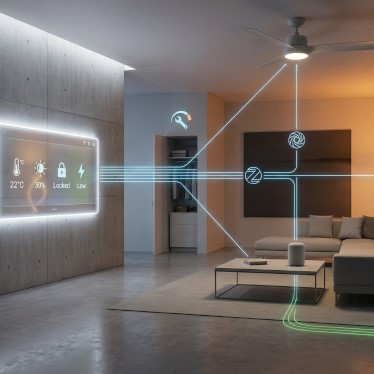
Energy efficiency in buildings is becoming a legal necessity rather than a preference in 2026. The European Green Deal and local energy regulations require the monitoring of energy performance in buildings. The KNX system gathers different disciplines such as lighting, HVAC, and security under a single infrastructure. This integration prevents energy waste caused by systems working independently of each other.
7 Most Demanded KNX Scenarios in 2026
Modern users demand automatic scenarios that make life easier instead of complex interfaces. Here are 7 critical scenarios that will become standard in home and office projects in 2026:
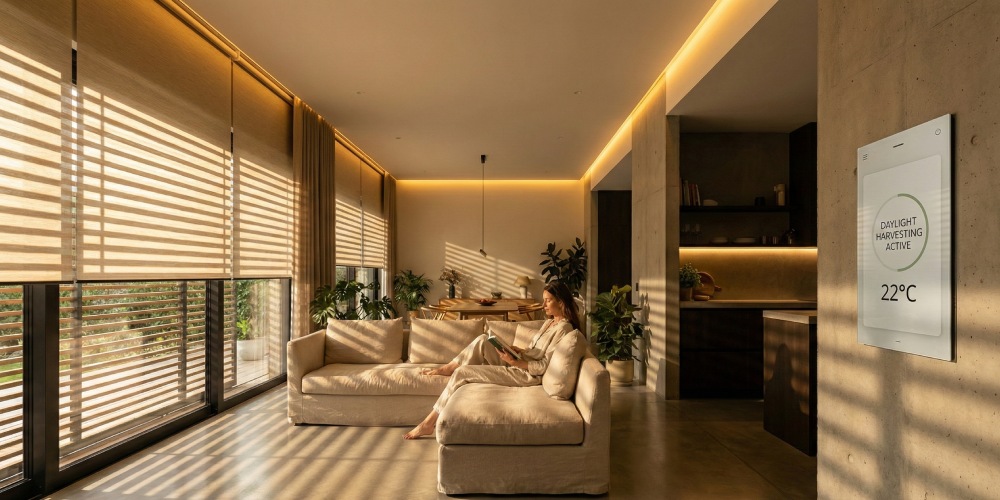
1. Adaptive Lighting and Daylight Harvesting
In this scenario, indoor lighting adjusts itself according to external sunlight. Light sensors dim the fixtures near windows while brightening dark spots. This method reduces lighting expenses in offices by 40%.
2. Occupancy-Oriented HVAC Management
The system switches heating or cooling to economic mode when it detects that no one is in the room. KNX occupancy sensors track even the smallest movements and reduce costs without disturbing comfort.
3. Smart Grid and Energy Storage Integration
Solar panel usage is increasing in 2026. KNX monitors energy from panels. During hours when electricity unit prices are high, the building automatically starts using energy from the battery.
4. Biometric Security and Personalized Entry
When entering the building via fingerprint or facial recognition, the system recognizes the person. The temperature setting, music list, and lighting scenario preferred by that person activate instantly.
5. Dynamic Air Quality and Ventilation Control
Especially in offices, CO2 levels are monitored continuously. When air quality drops, the system increases fresh air intake. This situation extends the focus time of employees.
6. Integrated Curtain, Shutter, and Heat Balance
Shutters open to benefit from sunlight in winter months. In summer, shutters close automatically according to the sun's angle to keep the interior cool. The system lightens the HVAC load.
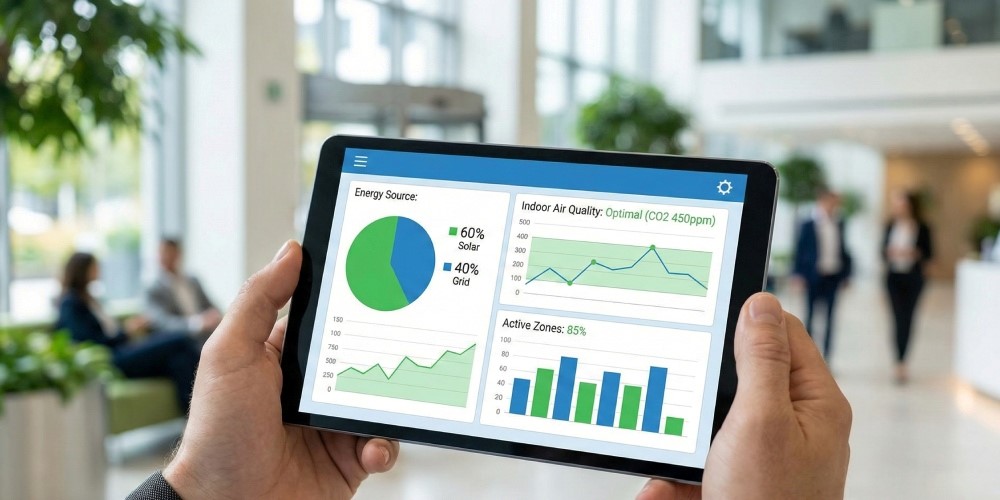
7. Centralized Energy Reporting and Data Analysis
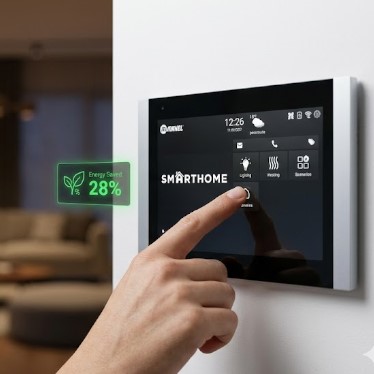
Building managers monitor all consumption data via a tablet or panel. Data identifies which room spends more energy. Failure risks are predicted beforehand.
Traditional Automation vs. 2026 KNX Trends
The fundamental differences between modern KNX systems and old-generation automation approaches are presented below:
|
Feature |
Traditional Automation |
2026 KNX Standards |
|
Communication |
Closed circuit, limited integration. |
Open protocol, unlimited brand compatibility. |
|
Energy Management |
Manual or simple time-set. |
AI-supported, adaptive, and predictive. |
|
Data Analysis |
None or limited. |
Cloud-based, detailed energy reporting. |
|
User Experience |
Complex wired panels. |
Voice command, mobile app, and gesture control. |
|
Maintenance |
Response during failure. |
Predictive maintenance and remote technical support. |
Build the Spaces of the Future with Makel KNX Solutions
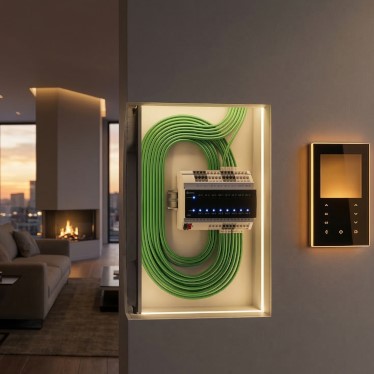
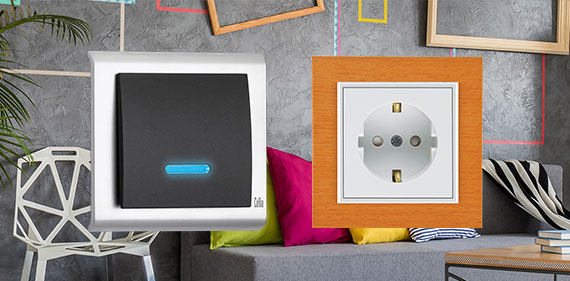
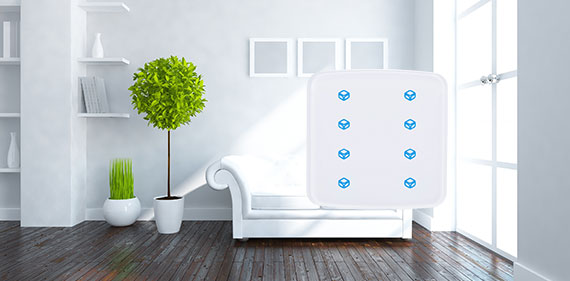
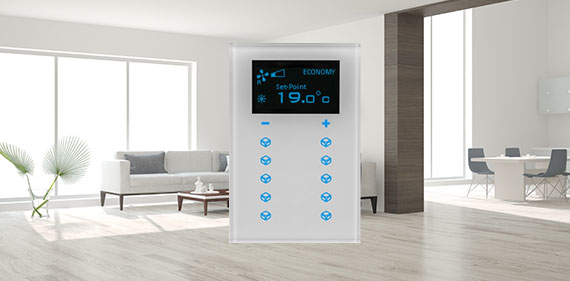
Makel combines aesthetics and high technology with its KNX-compatible product range. Touchscreen central control panels, switch series compatible with every space, and powerful actuators increase the value of projects. The advantage of local production facilitates technical support and spare parts supply processes.
Makel is a reliable business partner for construction firms and electrical contractors. Modern buildings preparing for 2026 both comply with legal standards and offer unique comfort to the end-user with Makel KNX systems. Managing energy means managing the future.