

What is the Cost of Installing a Smart Home System? 2026 Updated Guide
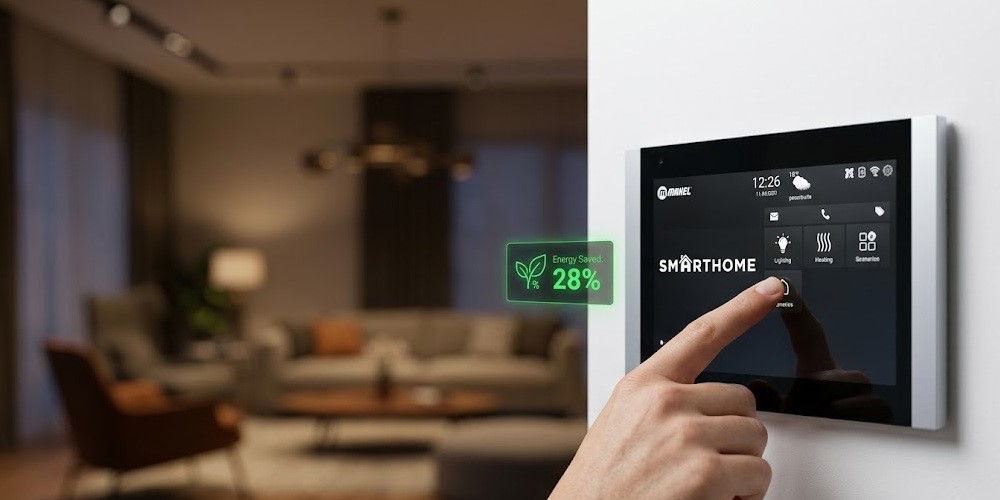
As of 2026, smart home technologies have shifted from being an "unreachable luxury" to a strategic property investment that provides energy efficiency, increases market value, and optimizes quality of life. The total cost of a smart home system varies across a wide spectrum depending on whether the installation is wired (KNX) or wireless (IoT), the number of endpoints to be controlled, and the depth of the system. To create an accurate budget, one must focus not only on device prices but also on long-term energy savings. Smart home systems now offer modular solutions suitable for every budget.
Key Factors Determining Smart Home Costs
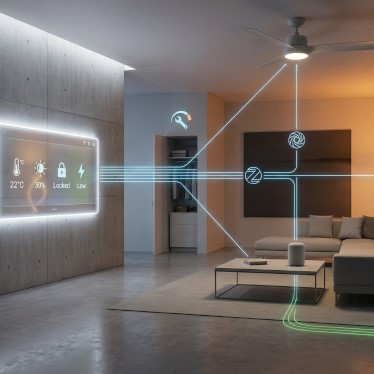
When calculating a project's cost, the chosen infrastructure architecture shapes the budget more than the device count itself. In newly constructed buildings, KNX-based wired systems are preferred for their high stability; however, in existing homes, wireless protocols (Zigbee, Thread) offer a more economical start as they do not require structural modifications or wall breaking. The scope of control is another element directly affecting the budget. There are significant cost differences between a system limited to lighting and socket control and a solution where HVAC (heating, ventilation, and air conditioning), motorized blinds, security, and audio systems are fully integrated.
In 2026 standards, Matter and Thread compatibility is a critical investment criterion when selecting smart home products to prevent future additional costs and incompatibility issues. Additionally, professional commissioning and mobile interface optimizations are among the budget items to consider for a seamless experience.
2026 Budget Approaches: Planning by Need
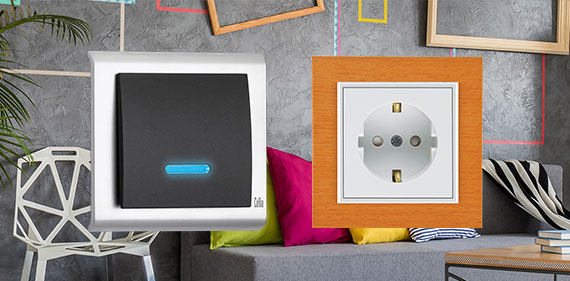
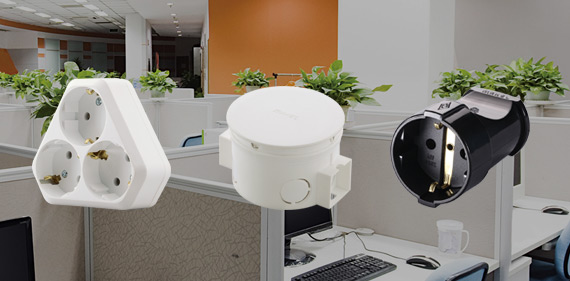
Smart home installation budgets can be categorized into three main levels based on the required comfort. Specifically, the question of whether smart sockets and switches will be the new standard in homes by 2026 highlights that entry-level packages have now become a basic requirement for every modern household.
Entry-Level Solutions
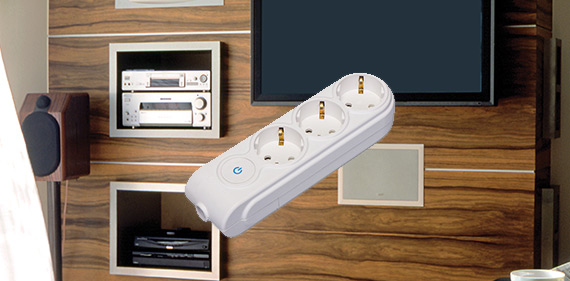
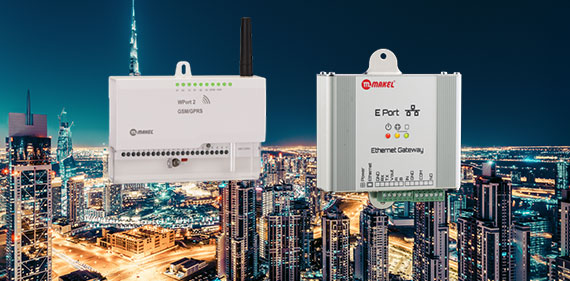
This level usually consists of a gateway and a few basic control points. Since it is applied without changing the existing wiring, it provides the lowest cost entry. The goal here is basic energy savings through smart lighting control and smart socket integration at a few strategic points.
Comfort and Security Focused Mid-Segment
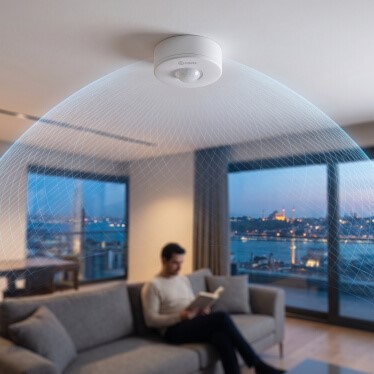
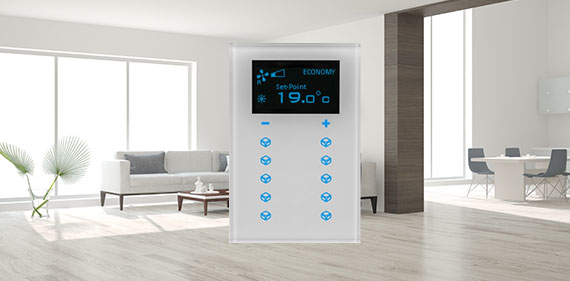
In these packages, which include HVAC and basic security in addition to lighting, the cost increases with the number of devices and sensor variety. Components such as thermostat control, smart locks, motion sensors, and shade automation are included in the system with professional installation support.
Full Automation and Luxury Segment
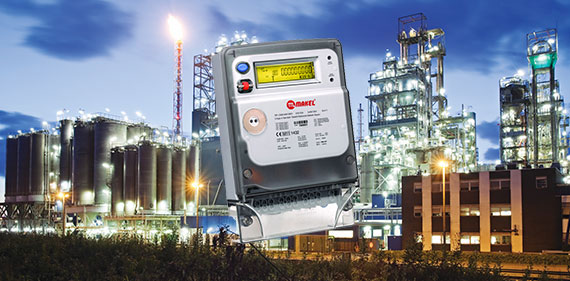
This is the high-end solution where all electrical and mechanical systems of the building communicate with each other. Features such as HVAC and lighting automation in all rooms, multi-room audio systems, and energy monitoring panels are included. The high increase in property value is the biggest advantage of this segment.
Return on Investment: Savings Potential
While a smart home system may seem like an "expense" during the initial installation phase, it is an investment that can pay for itself within a few years thanks to energy efficiency. Considering 2026 energy prices, autonomously turning off unnecessary heating and lighting systems via sensors creates significant cost advantages.
Technical analyses show that a well-configured full automation system can provide up to a 30% reduction in heating and cooling expenses and up to 20% in lighting costs. This savings amount can completely cover the installation cost of the system in the medium term.
Ways to Save Money When Building a Smart Home in 2026
-
Modular Expansion: Instead of making the whole house smart at once, expanding the system over time starting from the rooms that consume the most energy (living room, kitchen) makes budget management easier.
-
Choose Universal Protocols: Selecting products that support world standards like Zigbee or Thread saves you from being dependent on a single brand and lowers the cost of adding future devices.
-
Preparation: If your home is still under construction, simply having the piping and deep-box preparation done will significantly reduce future labor costs.