

Future Buildings: How Will IoT-Powered Electrical Systems Work?
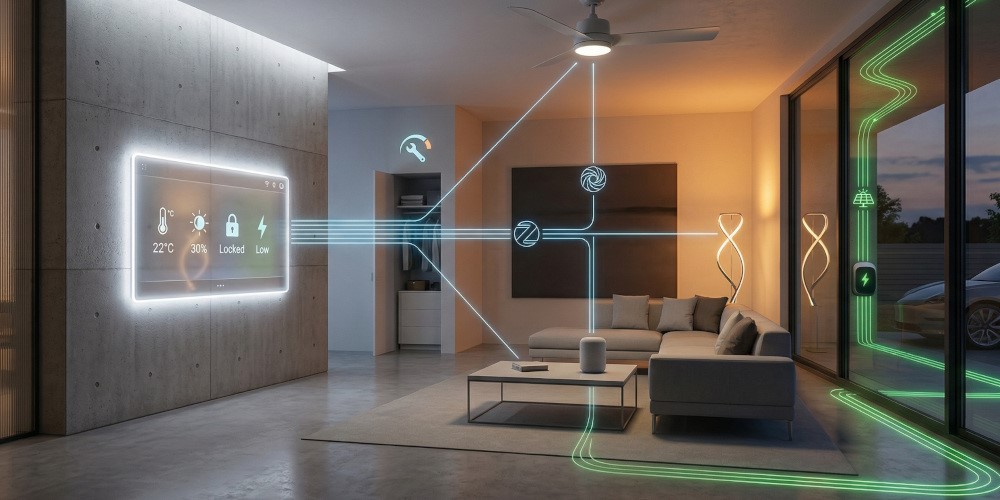
Traditional architectural structures are evolving from passive components that merely meet the need for shelter into dynamic digital organisms that process data, autonomously optimize energy consumption, and are shaped according to user habits. At the center of this transformation are Internet of Things (IoT) supported electrical systems, which act as the "nervous system" of buildings. Copper cables that once only carried energy now carry massive amounts of data, allowing every point of the building to communicate with each other. Thanks to smart home systems, buildings are no longer just structures waiting for commands; they are intelligent ecosystems capable of analysis and proactive decision-making.
The Working Architecture of IoT-Powered Electrical Systems
In the buildings of the future, electrical installation operates in a hierarchy built on the "Sensor - Network - Actuator" triangle. In this system, every lamp, socket, and circuit breaker becomes an endpoint connected to the internet. This architecture encompasses not only the transmission of data but also "Edge Computing"—the processing of data locally for faster response times.
-
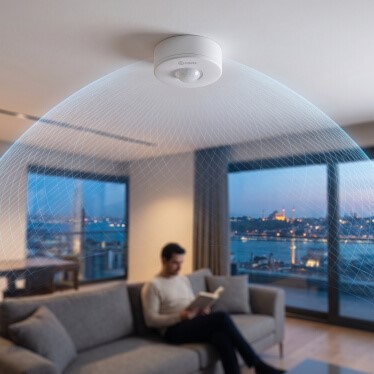
Data Collection (The Sensor Layer): Parameters such as temperature, humidity, presence, light levels, and instantaneous energy consumption are collected through sensors. These sensors act as the "sensory organs" of the installation, converting the current state of the building into digital data.
-
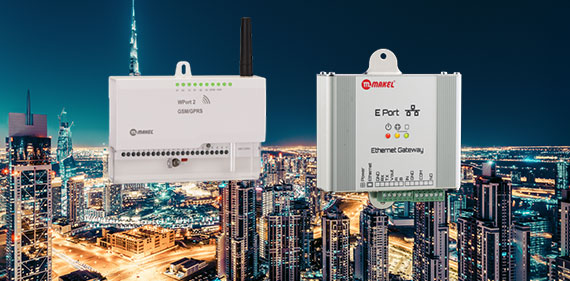
Communication and Decision Mechanism (Gateway & Cloud): The collected data is transmitted to a central gateway via low-energy protocols. This is where artificial intelligence algorithms step in. For example, if the data indicates "no one is in the room but the AC is still running," the system autonomously generates a shutdown command.
-
Execution (The Actuator Layer): Commands from the decision mechanism reach the actuators that perform the physical work. Relays open, dimmers lower the light, or motorized blinds position themselves according to the sun.
Communication Protocols: The Technical World of Connectivity
For a building to be truly "smart," all devices must speak the same language. As of 2026, the three main wireless protocols dominating the market determine the system's stability, latency, and coverage. Before making a technical choice, it is essential to review the IoT protocols in smart home solutions: Zigbee, Z-Wave, and Thread comparison.
The Zigbee Protocol stands out for its low energy consumption and "mesh network" structure. In this setup, every device acts as a signal repeater, making it ideal for creating extensive networks containing thousands of smart home products. However, since it operates on the 2.4 GHz band, it may carry a risk of interference with Wi-Fi signals.
Z-Wave, unlike Zigbee, operates at sub-1 GHz frequencies, making it unaffected by other wireless networks and giving it a higher ability to penetrate walls. It is the most stable option for residential projects where high security and total interoperability between devices are sought.
Thread represents the "next generation" for modern, autonomous structures in 2026. Being IP-based (IPv6), it allows devices to connect directly to the internet. Its full compatibility with the "Matter" standard is the key to different brands' products working seamlessly within a single ecosystem.
From Traditional Installations to IoT Transformation: Evolutionary Differences
The difference between future electrical systems and traditional installations is not just "internet connectivity"; it is a shift in management and security philosophy.
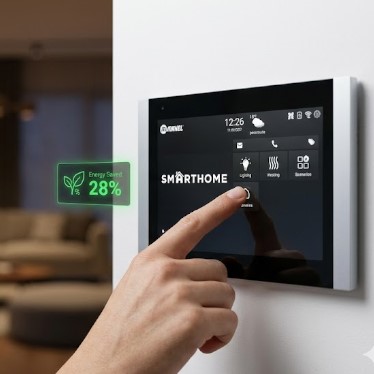
In traditional systems, control is entirely manual and requires physical contact, leading to user errors and energy losses of up to 15%. In IoT-powered 2026-model installations, control is autonomous. Systems can charge electric vehicles or store solar energy when energy prices drop, independent of the user. This intelligent management can increase energy savings up to 40%.
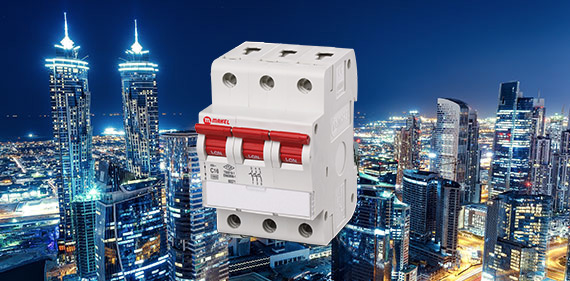
There is also a revolutionary difference in fault detection. In traditional wiring, when a breaker trips or a device fails, the intervention occurs "after the fault." However, in IoT-supported systems, Predictive Maintenance is active. Smart breakers detect wear in a device's motor through its current signature and send a notification to the technical team before a failure even occurs.
2026 Vision: Human-Centric Lighting and Energy Autonomy
Moving toward 2026, lighting technologies manage not only brightness but also the spectral quality of light. With the Human-Centric Lighting (HCL) concept, the color and intensity of lights in the building change automatically according to our biological (circadian) rhythm. Cold white light that provides vigor in the mornings turns into warm yellow tones that support melatonin secretion in the evenings.
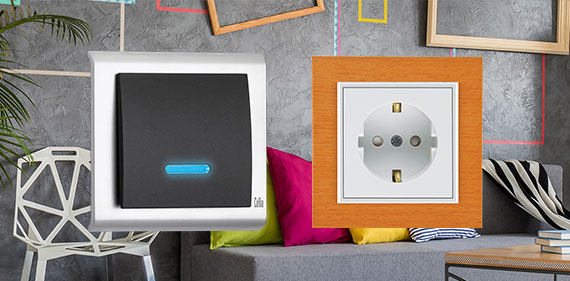
Makel solutions at the heart of these systems provide high-quality polymer structures and advanced data security (such as AES-128 bit encryption), turning buildings into technology hubs that are not only comfortable but also protected against cyber threats.