



Smart Home Control Interfaces: Push Buttons vs Touch Panels vs Thermostats
Control interfaces, which determine the quality of the end-user interaction in modern building automation systems, act as strategic points where complex data packets and scenarios are managed in the background, directly impacting the project ergonomics and energy efficiency while being far more than mere aesthetic switching elements. Choosing the right interface increases comfort. This smart home control interface comparison serves as a technical guide for selection. User experience stands at the center of the design. Every space has specific needs. Makel solutions address these requirements.
Smart homes represent more than connected devices. The management of these devices creates the actual value. Electricians and interior architects determine project success through correct product selection. The chosen interface type directly changes the wiring structure.
Smart Buttons: Classic Touch and Modern Intelligence
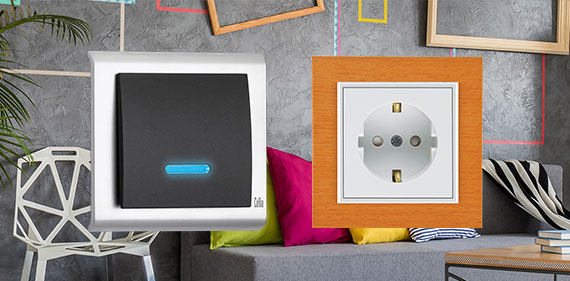
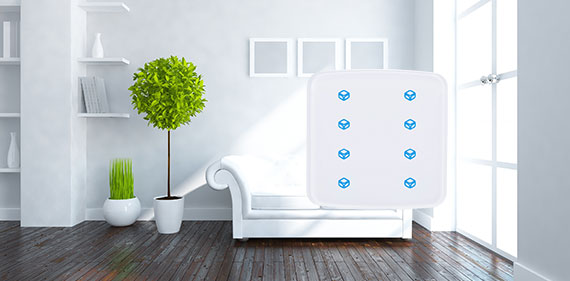
Smart buttons, which maintain the traditional switch form while allowing multi-function assignments over protocols like KNX, combine the familiar press-and-release mechanics with complex scene management to offer a low learning curve and integrate lighting and shutter control into a single frame. Buttons communicate with switching modules. They offer simple usage. These devices appeal to every age group. The risk of misuse remains low. Aesthetic and minimalist designs are available.
Buttons are preferred in entrance halls and bedside areas. A "Welcome" or "Sleep" scene can be assigned to a single button. Mechanical feedback provides a clear signal to the user. Functionality increases through multi-gang frames. LED-backlit models are easy to locate in the dark.
Touch Panels: The Digital Command Center
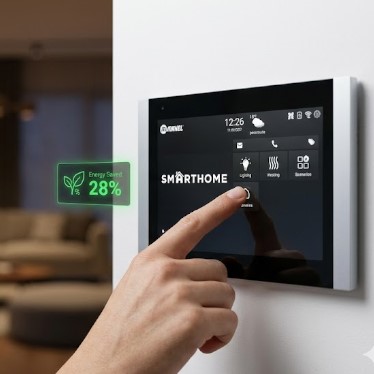
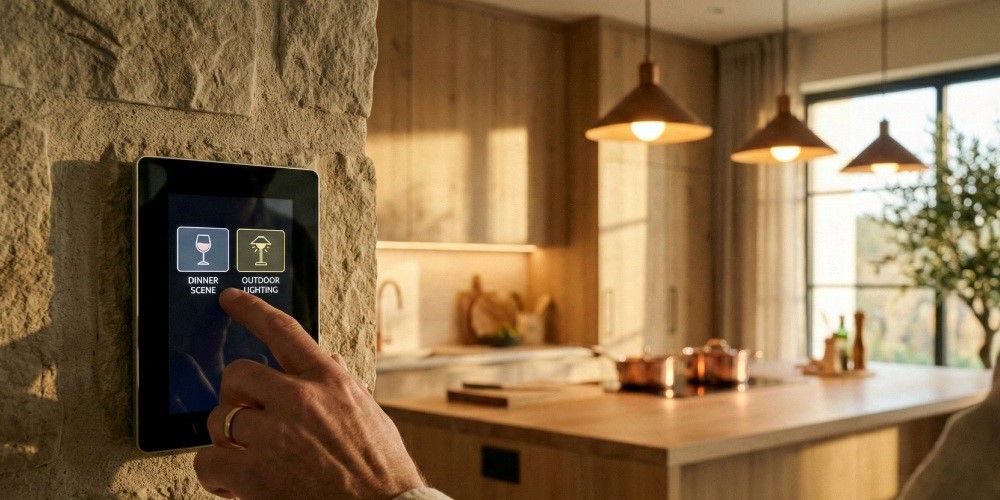
Touch panels, which allow monitoring and controlling all electrical and mechanical systems through a unified user interface, offer extensive operational power in large-scale residences and commercial buildings by providing central supervision and tracking energy consumption trends or surveillance camera images. Touch panels act as the heart of the home. All scenarios are managed from the screen. These panels work in total harmony with mobile devices. One screen displays the entire house. They provide a modern appearance.
Panels are generally located in central points like living rooms or main corridors. They can work in integration with intercom systems. Doors are opened from this panel when guests arrive. Heating and cooling graphs are easily monitored. Software updates add new features over time.
Thermostats: HVAC and Energy Management
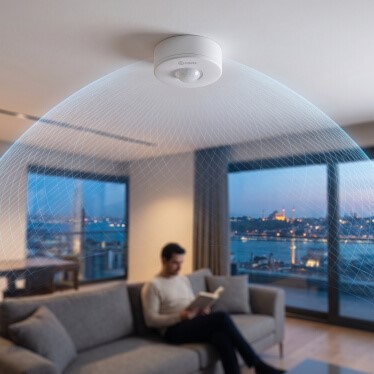
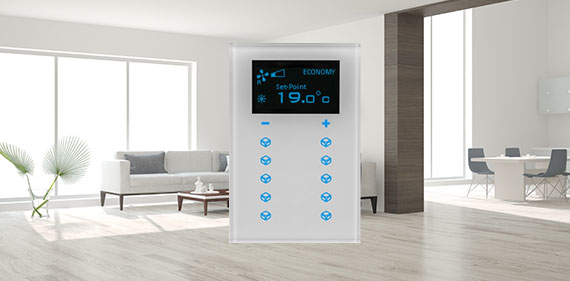
Smart thermostats, which measure ambient temperature and humidity with high-precision sensors to transfer data to HVAC units, maintain comfort set points while minimizing unnecessary energy consumption to provide the technical infrastructure for a sustainable living space. Presence sensors work in coordination with thermostats. Energy saving stays in focus. Room temperature remains constant. These devices feature user-friendly displays. Design integrity is preserved.
Thermostats do more than show degrees. They determine fan speed and operating modes. They measure floor temperature through external sensor inputs. Smart algorithms prepare the room at the desired hour. Energy waste can decrease by 30%.
Control Interface Comparison Table
Use the following technical data to place the correct product in the right project:
|
Feature |
Smart Buttons |
Touch Panels |
Smart Thermostats |
|
Ease of Use |
Very High (Familiar) |
Medium (Learning Needed) |
High (Temperature Focused) |
|
Wiring |
Standard BUS Line |
BUS Line + Extra Power |
Standard BUS Line |
|
Cost |
Economic |
Higher Investment |
Medium Level |
|
Project Fit |
Every Room / Every Point |
Central Areas |
Heated/Cooled Rooms |
|
Control Capacity |
Limited Functions |
Unlimited Scenarios |
HVAC Focused |
|
Visual Style |
Classic Design |
Technology Oriented |
Functional Display |
2026 Vision: Voice Control and AI Integration
As physical interfaces gradually leave their place to biometric and voice-based control mechanisms in the smart home systems of 2026, systems that learn user habits through background AI algorithms can now optimize comfort conditions autonomously without physical interaction. Artificial intelligence makes systems smarter. Voice commands are becoming widespread. Physical buttons remain reliable. Systems make autonomous decisions. Data security gains importance.
Future panels will be thinner and transparent. Buttons will work wirelessly by harvesting energy. Thermostats will measure air quality in addition to temperature. Makel provides technical support at every stage of this transformation. Smart solutions simplify life.