


Why is a Grounded Socket Important? Safe Selection Guide
Why is a Grounded Socket Important? Safe Selection Guide
Every day, we interact with dozens of electrical appliances at home and in the office without giving them a second thought. From washing machines and refrigerators to computers and smartphone chargers, these essential devices rely on significant electrical currents to function. Any sudden insulation fault or internal short circuit can ruin your expensive electronics and create immediate electrical shock hazards.
To safeguard against these unpredictable failures, grounded socket modules serve as the quiet guardians of your electrical installation. In this comprehensive guide, we will break down what grounding is, explore why utilizing a grounded outlet is non-negotiable for modern indoor safety, and outline key factors for proper hardware selection.
What is Grounding and How Does a Grounded Socket Work?
The simplest technical definition of grounding is the process of channeling stray or faulty electrical current safely away from a device and directing it straight into the earth using a low-resistance pathway (typically consisting of copper wiring and a solid grounding rod).
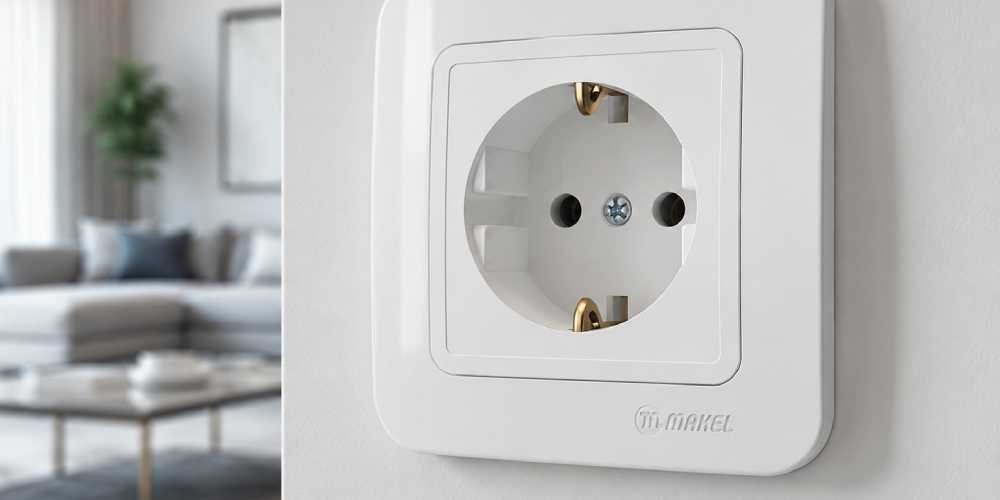
A grounded electrical socket (often referred to as a Schuko or Type F outlet in European standards) acts as the critical termination point connecting this safety pathway directly to your appliance's plug. Unlike standard ungrounded outlets that feature only two internal paths—Phase (Live) to bring power in and Neutral to complete the circuit—a grounded socket includes two prominent metallic clips at the top and bottom of the module casing.
The Core Differences: Ungrounded vs. Grounded Sockets
Understanding the fundamental operational and structural variations between these two modules makes it easy to see how they impact your indoor safety margins:
- Standard Outlets (Ungrounded): These basic two-pin outlets are intended for double-insulated, low-draw electronics (such as basic charging adapters or desk lamps) that lack external metal casings. If a internal wire frays inside a metal-bodied appliance connected here, the stray current has nowhere to go and charges the entire frame of the device. The second you touch it, your body becomes the path of least resistance to the earth, resulting in a dangerous shock.
- Grounded Outlets: When a fault occurs in an appliance plugged into a grounded unit, the stray voltage is instantly captured by the metal earthing clips and routed safely down the copper ground wire before you even lay a hand on the machine. Because electricity naturally chooses the path of lowest electrical resistance, you remain completely safe from harm.
Electrical Codes, Grounding Requirements, and Older Structures
Under modern national and international building codes, implementing a dedicated grounding requirement across all residential and commercial infrastructure is an absolute rule. High-draw appliances with exposed metallic components—such as ovens, washing machines, refrigerators, and water heaters—must be powered exclusively through dedicated grounded circuits.
Dealing with Legacy or Ungrounded Wiring
In older properties built prior to the 1990s, three-wire circuits featuring a separate ground connection are occasionally missing from individual room walls. A highly dangerous mistake often made in these legacy setups is "neutral-to-ground jumping" (connecting the neutral terminal directly to the grounding clips). This practice poses severe risks; if the main neutral line breaks further down the grid, full voltage can back-feed straight onto the exposed metal housing of all connected appliances. The only safe resolution for older structures is to have a certified electrician pull an independent grounding line from the main board to the rooms and install a reliable Residual Current Device (RCD).
Critical Factors to Consider During Grounded Socket Selection
To guarantee long-term operational durability and pristine structural safety, look for these specific engineering hallmarks when choosing your hardware:
- Resilient Clip Mechanics: The exposed metal earthing prongs inside the receptacle must possess excellent elastic retention properties. Low-grade clips bend permanently over time, leading to poor connection stability and intermittent grounding protection.
- Premium Thermoplastic Enclosures: Opt for switch plates manufactured from high-impact, self-extinguishing polycarbonate. This specialized material prevents flame propagation in the event of an intense internal short circuit.
- Secure Terminal Connections: Wide, deep wire-clamping slots equipped with high-torque screws eliminate the risk of loose conductors, significantly reducing joint overheating and unexpected electrical arcing.
To find modular configurations that seamlessly balance technical excellence with striking interior aesthetics, explore Makel's versatile range of switches. For professional placement strategies and installation methods, don't forget to review our detailed switch socket selection design mounting guide.
Conclusion: Build a Foundation of Uncompromised Safety
Grounding is essentially the seatbelt of your home’s electrical network. Investing in high-quality ground modules across every room is the single most effective step you can take to shield your family from physical harm and protect your valuable electronics from volatile voltage faults. Engineered to demand global safety standards, Makel's premium wiring solutions provide absolute peace of mind while complementing your modern decor.