

Childproof Sockets: Electrical Safety & Selection Guide
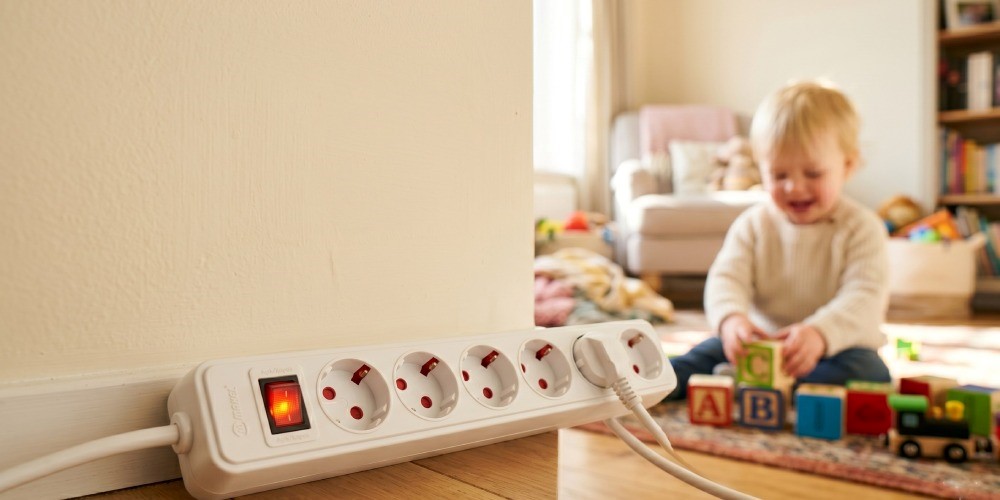
Our homes are the first and most important playgrounds where our children begin to explore the world. However, the endless curiosity of toddlers and crawling children often leads them toward everyday household objects that pose significant dangers. Chief among these objects are electrical outlets, which are frequently positioned close to floor level.
The most definitive and professional way to prevent electric shocks—which constitute a major portion of domestic accidents—is to replace traditional outlets with childproof socket models. In this guide, we will examine how child safety shutter mechanisms work, clarify common technical terms, and explore ways to enhance electrical safety at home in 2026.
How Does a Childproof Socket Mechanism Work?
In traditional sockets, the phase and neutral contacts that carry the electrical current are directly open to the outside. When children attempt to insert conductive objects they find—such as tweezers, nails, knitting needles, or keys—into these slots, it creates life-threatening risks.
A childproof socket prevents this by placing a mechanical barrier in front of the live slots. The fundamental operating principle of the mechanism relies on simultaneous pressure:
- When a standard electrical plug is inserted into the outlet, both pins apply equal pressure to the barrier at the exact same time. This simultaneous pressure releases an internal spring-loaded locking mechanism, sliding the barrier open and allowing the plug to enter smoothly.
- If a child tries to poke a single object (like a nail) into just one of the holes, the mechanism detects the unilateral pressure and stays firmly locked. The safety barrier will not open, mechanically blocking the child from making contact with the live electrical current.
What is a Shuttered Socket? Differences in Secure Outlets
In the electrical industry and product catalogs, child protection features are technically referred to as a "shuttered socket." The term "shutter" refers to the movable protective internal flaps positioned right behind the opening holes of the socket plate.
When evaluating child safety for electrical setups, two main approaches exist:
- External Safety Plugs/Caps: These are plastic attachments inserted into standard sockets from the outside. While they seem practical, they must be pulled out every time you need to use the outlet, creating a choking hazard if a child finds and swallows them. Additionally, constantly inserting and removing them degrades the user experience.
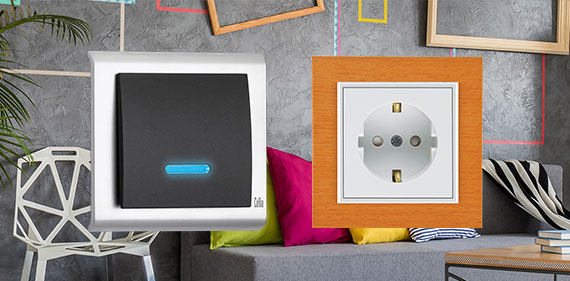
- Integrated Shuttered Secure Sockets: These systems are embedded directly into the internal mechanism of the outlet itself. They require no external parts, do not compromise interior aesthetics, and eliminate any risk of being lost or forcibly removed by a child.
Securing Extension Leads and Multi-Gang Outlets
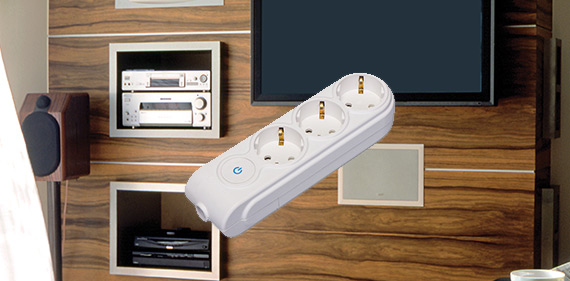
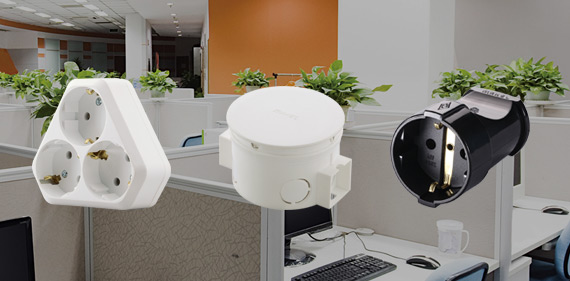
The rule of absolute safety must not change when extension leads or multi-gang strips are required. Extension cables that lie on the floor or near play areas are the easiest for children to reach, making integrated protection non-negotiable for these products.
For an uncompromised safety infrastructure, prioritizing multi-gang solutions with built-in shutters ensures that every extended power point is secure. You can explore modern, high-tier safety options designed for flexible home and office layouts by browsing Makel's new generation group sockets collection.
Vital Reminders for a Child-Safe Electrical Home Installation
To establish a comprehensive safety shield across your living spaces, look beyond the socket mechanism and implement these essential electrical practices:
- Test Your Residual Current Device (RCD): While shuttered sockets provide excellent mechanical protection, the main guardian of your installation is the RCD in your breaker panel. Press the "Test" button on your panel once a month to ensure the device trips correctly.
- Secure Loose Outlets Fast: Sockets that have pulled away from the wall or have loose mounting screws leave dangerous gaps where children can touch bare internal wires. Repair or replace these compromised modules immediately.
- Route Cables Safely via Trunks: Exposed cables that wander across floors can be pulled, bitten, or tripped over by curious toddlers. Secure these lines against wall surfaces using decorative, impact-resistant cable trunks.
Protect the Explorer, Eliminate the Danger
A child's desire to discover cannot and should not be suppressed; however, the hidden hazards on their exploration paths can be eliminated. Swapping out your home's standard wall outlets for sleek, integrated shutter mechanisms is a small upgrade that effectively prevents major tragedies. Engineered to elite manufacturing and safety standards, Makel's protection systems keep your home secure even when your back is turned.