

What is a Moisture-Proof Socket? Bathroom and Outdoor Electrical Safety
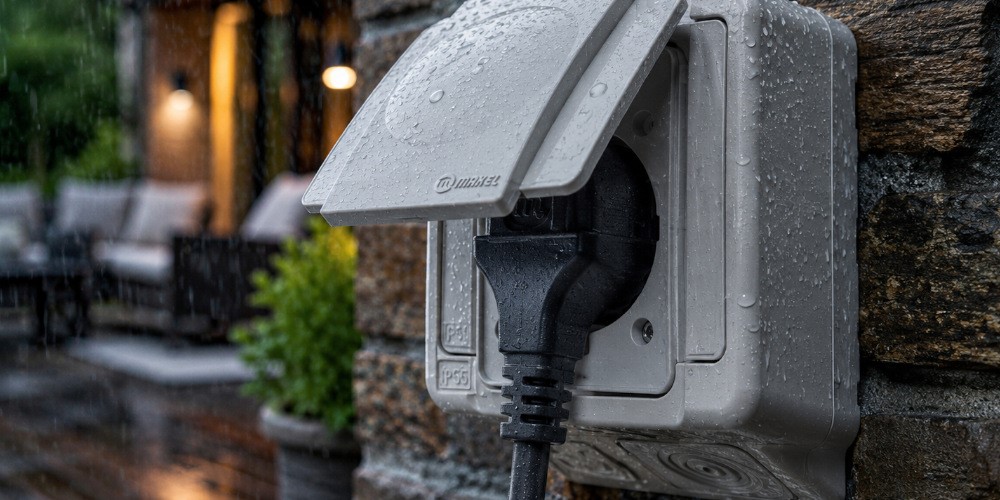
Moisture and water are two of the greatest hazards to any electrical installation. Electrical sockets and switches located in wet indoor zones such as bathrooms and kitchens—or outdoor areas like gardens, terraces, and parking lots—are constantly exposed to water splashes, high humidity, and dust accumulation. Using standard indoor outlets in these harsh environments leads to contact oxidation, short circuits, and dangerous electric shocks over time.
Engineered specifically to eliminate these hazards, moisture-proof socket systems isolate live electrical components from environmental factors using flexible sealing gaskets and protective spring-loaded covers. In this guide, we will examine the technical requirements for humid-area wiring, break down IP44 socket standards, and explain how to select the right switches and sockets for wet environments.
What is a Moisture-Proof Socket and How Does It Differ from a Standard Outlet?
A waterproof socket or moisture-proof socket is a specialized wiring module designed with an enclosed body, elastomer sealing gaskets, and a spring-assisted protective flap that prevents water droplets, moisture, and fine dust from reaching the internal wiring terminals.
The key structural differences between standard outlets and moisture-proof models include:
-
Protective Spring-Loaded Cover: Moisture-proof sockets feature an integrated outer lid that snaps shut when the outlet is not in use. This cover acts as a physical barrier against direct water splashes and dust buildup.
-
Sealing Gaskets: Flexible membrane or thermoplastic seals are integrated into the rear housing where the socket meets the wall, as well as around the wire entry points. This sealed barrier blocks moisture from seeping into the live conductors through wall cavities or conduits.
-
Internal Drainage Channels: The inner casing includes tiny drainage paths designed to route stray condensation harmlessly out of the housing without touching live electrical points.
Understanding IP Protection Ratings: IP44 vs. IP55
The resistance of switches and sockets against solid objects and liquids is rated according to the international IP (Ingress Protection) code. The first digit indicates protection against solid objects/dust, while the second digit defines liquid ingress protection.
1. IP44 Protection Class
An IP44 socket or switch is protected against solid objects larger than 1 mm (such as fine wires or small tools) and guards against water splashing from any direction.
-
Application Areas: Ideal for bathrooms, sink areas, kitchen countertops, covered balconies, and laundry rooms.
For indoor wet zones that demand a blend of aesthetics and safety, you can opt for flush-mounted options like Makel's Moisture-Proof IP 44 Group or surface-mounted solutions like the Moisture-Proof Plus IP44 Group.
2. IP55 Protection Class
Hardware rated at IP55 is protected against harmful dust deposits and can withstand low-pressure water jets projected from any angle.
-
Application Areas: Essential for harsh outdoor socket applications exposed directly to weather conditions, such as open gardens, exposed terraces, car washes, industrial plants, and poolside zones.
Engineered to deliver ultimate sealing performance and durability under tough environmental conditions, the Moisture-Proof Plus IP55 Group collection offers the most reliable infrastructure for professional outdoor installations.
Key Safety Rules for Bathroom and Outdoor Electrical Layouts
Selecting the correct socket module is only the first step; the overall installation must also conform to strict electrical safety practices:
-
Respect Bathroom Safety Zones: Bathrooms are divided into safety zones based on distance from water sources (tubs, shower enclosures, taps). Outlets must be positioned at least 60 cm away from shower or bathtub edges and must feature a minimum rating of IP44.
-
Integrate RCD Protection: Circuits serving bathrooms and outdoor areas must be guarded at the main panel by a 30mA Residual Current Device (RCD) for human life protection.
-
Seal Wire Entry Points Properly: When installing outdoor sockets, ensure the cable glands or membrane entry points are tightened securely to prevent water from following the cable into the housing.
For standard dry indoor spaces across your home or office, you can explore the versatile module options available in Makel's core switches collection.
Uncompromised Safety in Wet Environments
Installing standard indoor sockets in bathrooms, kitchens, or gardens leaves your infrastructure vulnerable to electrical faults. By equipping these areas with covered, gasket-sealed IP44 or IP55 moisture-proof sockets tailored to the environment's humidity levels, you can guarantee long-term safety and reliability. Manufactured from high-grade polymers, Makel's moisture-proof ranges deliver uninterrupted performance under the most challenging conditions.