



Are Your Home Sockets Safe? Practical Electrical Safety Checklist
Every single day, we plug and unplug dozens of devices across our homes—from smartphones and laptops to heavy-draw household appliances. Because wall outlets are such an ordinary, integrated part of modern living, they are frequently overlooked until a complete failure or dangerous hazard occurs. However, a significant portion of domestic electrical fires and shock accidents originate from worn-out, loose, or improperly wired wall receptacles.
So, how can you tell if an electrical socket is truly safe, and what risks are lurking behind your walls? In this guide, we have compiled a practical, DIY socket safety checklist to help you inspect your home's outlets, identify aging socket hazards, and implement effective preventive measures.
The Home Electrical Socket Safety Checklist
Take a walk through every room in your home and inspect your wall outlets against these critical inspection points:
1. Physical Stability and Wall Anchoring
-
Is the Socket Loose or Pulling Out? If the socket plate moves or pulls forward from the wall when you unplug a cord, the mounting claws or frame screws have loosened. Exposed internal mechanisms create an immediate risk of accidental direct contact with live conductors.
-
Are There Cracks or Broken Casing? Any chipped faceplate or cracked plastic casing severely compromises the dielectric insulation of the module, exposing you to live parts.
2. Overheating, Discoloration, and Odors
-
Do You Notice Yellowing, Scorch Marks, or Darkening? Discoloration around the pin holes indicates severe internal electrical arcing (sparking) or dangerous localized thermal buildup.
-
Can You Smell Burning Plastic or Hear Sizzling? If an outlet emits a faint buzzing/sizzling sound or a distinct acrid burning smell under load, switch off that circuit breaker immediately and discontinue use.
3. Grip Strength and Mechanical Retention
-
Does the Plug Fit Loosely or Sag? When a plug sags downward under its own weight or slips out with minimal resistance, the internal brass or phosphor-bronze contact clips have lost their mechanical elasticity. Loose contact increases electrical resistance, leading directly to overheating and fire hazards.
4. Integrated Child Protection (Safety Shutters)
-
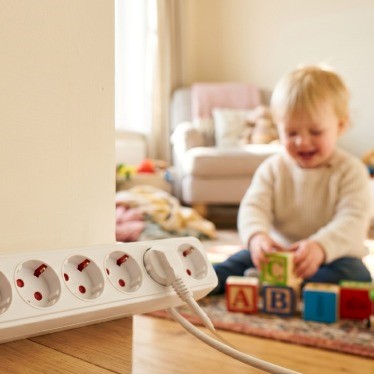
Are the Live Pin Slots Directly Exposed? Outlets located within reach of toddlers and crawling children must feature built-in mechanical shutters. These internal barriers open only when equal, simultaneous pressure is applied by both prongs of a standard plug, preventing children from poking single conductive objects into live circuits.
The Importance of Grounded Sockets: Are Your Appliances Protected?
In kitchens, bathrooms, laundry areas, and home workstations where high-draw or metal-framed appliances (refrigerators, washing machines, ovens, PCs) operate, the importance of grounded sockets cannot be overstated.
-
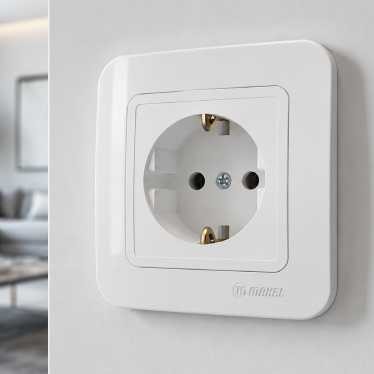
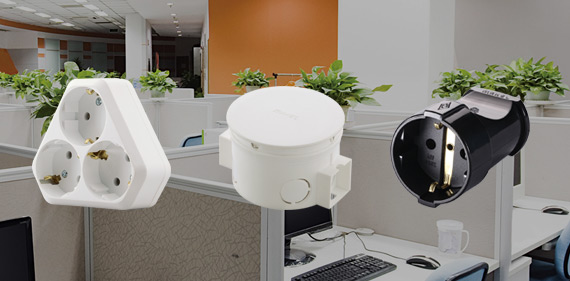
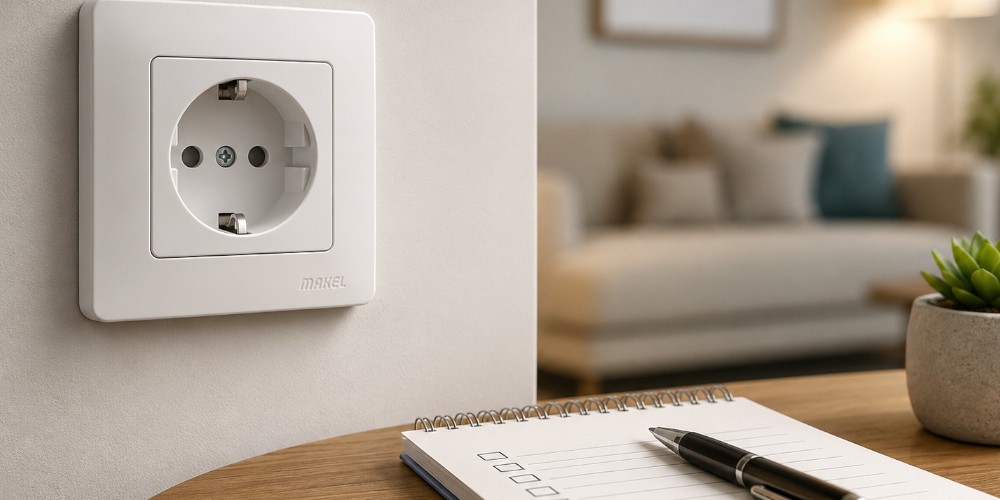
Inspect the Grounding Clips: Verify that the socket receptacle features prominent metal earth clips at the top and bottom rims (Schuko type).
-
Beware of "Neutral Jumping" (Bootleg Grounds): In legacy buildings lacking a dedicated ground wire, jumping the neutral wire to the ground screw creates a major safety flaw. If the grid neutral fails or gets reversed, full line voltage electrifies the exposed metal chassis of connected equipment.
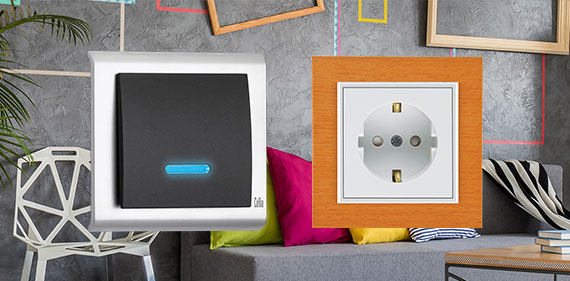
To replace compromised, outdated, or ungrounded modules with high-conductivity, flame-retardant alternatives, explore the broad range of Makel switches and socket solutions.
The Hidden Dangers of Aging Sockets
Wall outlets do not last forever. Sockets that are over 10 to 15 years old, heavily worn, or built to obsolete standards introduce compounding risks:
-
Micro-Arcing and Component Burnout: Worn internal contacts create continuous micro-sparks upon plug insertion, which can degrade or destroy sensitive electronic circuit boards in modern appliances.
-
Loss of Polymer Elasticity & Insulation: Years of temperature swings and ambient humidity make older plastics brittle, drastically reducing their impact and dielectric resistance.
-
Increased Resistance and Power Waste: Poor contact tension creates parasitic resistance, generating unwanted heat inside wall cavities and inflating energy consumption.
Take Control of Your Indoor Safety
Electrical safety at home begins with regular visual checks and choosing certified, high-grade hardware. If any socket on your checklist exhibits looseness, scorching, cracking, or weak retention, replace it immediately with a modern, childproof, grounded unit. Engineered in compliance with strict international safety standards, Makel's wiring devices provide comprehensive protection for your loved ones and valuable electronics.