



What is a Two-Way (Vavien) Switch? How to Connect It

In large architectural spaces, long corridors, or multi-story homes, lighting comfort is largely defined by the ability to manage lights without being restricted to a single control point. For instance, when climbing up a staircase, you want to turn on the lights from the bottom switch and turn them off from the top without having to walk back down. This smooth convenience and freedom of movement is provided by a two-way switch (technically known as a vavien switch in European standards).
Standing out among various electrical switch types due to its high functionality, a two-way system simplifies daily routines and prevents energy waste by ensuring lights are not left on unnecessarily in unoccupied zones.
What Does Two-Way (Vavien) Mean? How It Works
The technical concept of a two-way or vavien switch (derived from the French phrase "va-et-vient", meaning "go-and-come") refers to an electrical configuration that allows a single light or a group of lights to be controlled independently from two different locations.
While they look identical to standard single-pole switches from the front, two-way switches are entirely different behind the wall plates:
- A standard single-pole switch contains only two connection terminals, whereas a two-way switch mechanism features three connection terminals.
- The two-way switch working principle relies on creating an alternative bridge for the current to travel. When you toggle the position of either switch, the circuit is either completed (turning the light on) or broken (turning the light off). This allows both switches to act as an on-and-off trigger simultaneously.
Common Application Areas
Two-way systems are preferred wherever convenience, ergonomics, and structural safety are prioritized:
- Staircases in Duplex and Multi-Story Homes: Turning the light on at the bottom and turning it off at the top.
- Long Hallways and Entryways: Lighting up the hallway as you enter and switching it off from the opposite end near your bedroom.
- Master Bedrooms: Turning on the light at the room entrance and switching it off right from the bedside nightstand without getting out of bed.
- Large Offices and Warehouses: Managing vast spaces that feature separate entry and exit doors located far apart.
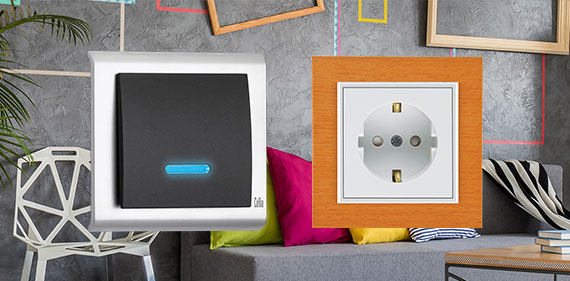
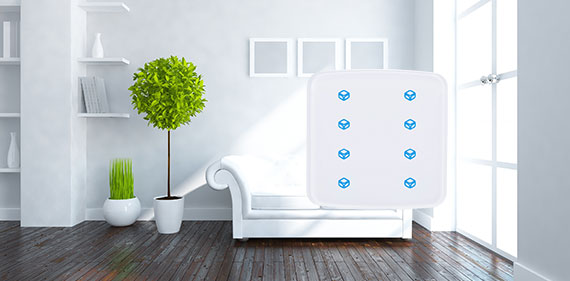
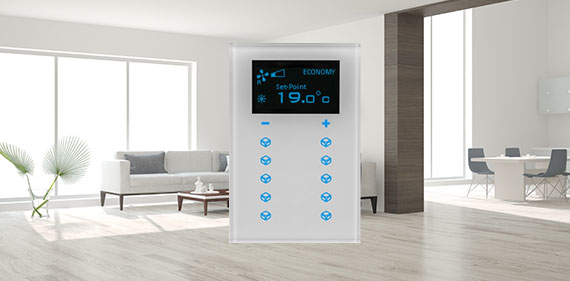
To bring both technical excellence and decorative elegance to your spacious layouts, you can explore the modular two-way solutions in Makel’s comprehensive collection of switches.
Two-Way Light Switch Wiring Diagram and Connection Steps
To install a working two-way circuit, you must use a pair of matching two-way modules across from each other (a single two-way switch cannot achieve dual-point control on its own). Learning how to connect a two-way switch safely depends on following these structured wiring principles:
Two-Way Switch Wiring Diagram Steps:
- The Common Terminal (L): Connect the live incoming line—the Phase (L) wire coming straight from the breaker panel—directly to the "Common" terminal of the first two-way switch.
- The Traveler Wires: Connect the remaining two vacant terminals of the first switch to the corresponding two vacant terminals of the second switch using two separate "traveler" (bridge) wires.
- The Switch Leg (Lamp Return): Run a wire from the boştaki "Common" terminal of the second two-way switch directly to the phase input of the light fixture.
- The Neutral Line: To complete the circuit path, route the Neutral (N) wire directly from the distribution board to the light fixture, bypassing the wall switches completely.
Safety Reminder: Before handling any electrical wiring or modifying an installation, always switch off the main circuit breaker at the distribution board and verify the absence of voltage using a reliable digital multimeter or tester. Ensure all terminal screws are tightened firmly during assembly; loose connections can lead to electrical arcing, overheating, and fire hazards over time.
Seamless Comfort in Your Living Spaces
Walking through dark corridors or having to retrace your steps just to flip a light switch is fully eliminated with a well-planned two-way electrical layout. Manufactured with high-conductivity silver-alloy contacts and impact-resistant polycarbonate housings, Makel's two-way switch solutions extend the lifespan of your infrastructure while elevating your lighting management to its most comfortable level.