


What is a Dimmer Switch? Light Dimming System Guide

Lighting is one of the most critical elements in defining the comfort, mood, and functionality of any indoor environment. However, not every activity demands the same level of brightness. The light intensity you need for reading a book, working on a project, or watching a movie is fundamentally different. While traditional wall switches only give you a basic choice between full brightness and absolute darkness, installing a modern dimmer switch puts seamless control over light intensity right at your fingertips.
In this technical guide, we will break down what a dimmer means, analyze how modern light dimming systems work, evaluate LED dimmer switch compatibility, and discuss how to choose the right hardware for your interior design.
What is a Dimmer and How Does It Work?
A dimmer—commonly known as a light dimming switch—is an electronic device that alters the electrical energy delivered to a light fixture, allowing you to smoothly adjust its brightness level across a gradual spectrum.
The Working Principle:
Older legacy dimmers controlled brightness by funneling excess current through a variable resistor, which wasted energy by converting it into heat. In contrast, modern solid-state light dimming systems utilize advanced Triac or Pulse Width Modulation (PWM) technology. Instead of throttling voltage into heat, they slice the electrical current wave up to a hundred times per second, rapidly cycling the power on and off. This ultra-fast switching drastically reduces the total energy reaching the bulb, enabling you to create the perfect room ambiance while delivering direct electricity savings.
Dimmer Switch Types and Crucial LED Bulb Compatibility
There is a wide array of dimmer switch types engineered to match varied architectural and decorative layouts, ranging from classic rotary dials and slider switches to touch plates and remote-controlled systems integrated into smart home setups. However, the most vital factor to consider during selection is the type of bulb you plan to control.
-
Incandescent and Halogen Bulbs: Traditional resistive light sources are highly adaptable and work flawlessly with almost any standard dimmer model.
-
LED Bulbs (Critical Warning): Standard dimmers do not naturally align with LED light sources. To successfully dim an LED bulb, the bulb itself must explicitly be labeled as "Dimmable." Furthermore, because LEDs consume very low wattage and operate on internal driver circuits, your wall mechanism must be a specialized LED dimmer switch model. Using an incompatible dimmer results in annoying light flickering, buzzing noises, and premature driver burnout.
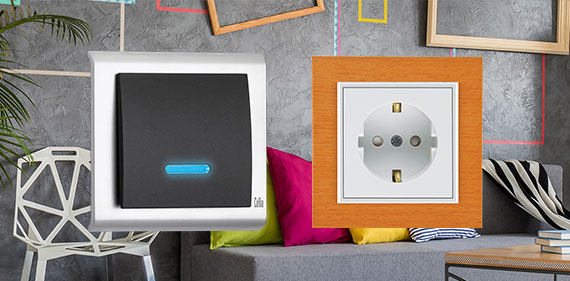
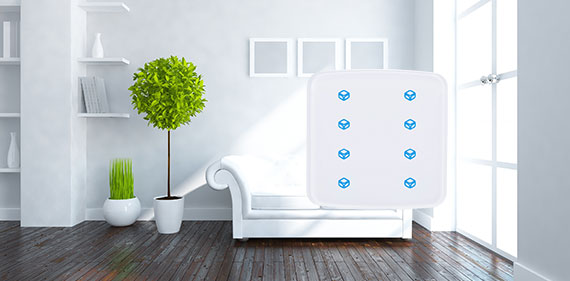
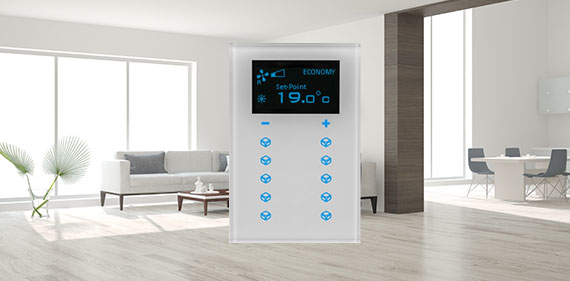
To explore modular options equipped with robust internal architectures and sleek finishes, check out Makel's versatile electronic group Mimoza collection.
Perfect Application Environments for Dimming Systems
Implementing a dimmable lighting structure can instantly transform the utility and aesthetic of various rooms:
-
Living Rooms and Dens: Perfect for lowering the lights to create an authentic cinema atmosphere on movie nights or setting a warm, relaxed mood when hosting guests.
-
Bedrooms: Highly favored for easing the transition into sleep with gentle, low-intensity lighting or waking up comfortably in the morning without harsh glare.
-
Restaurants and Cafés: Vital for commercial properties to cultivate a welcoming, high-end dining experience by balancing interior light levels against changing daylight conditions.
How to Connect a Dimmer Switch: Wiring Principles
Replacing a basic single-pole on/off switch with a modern dimmer module is a straightforward process. A standard dimmer connection is performed by executing these essential steps:
-
Safety First: Prior to touching any wires, turn off the main circuit breaker at your distribution board. Verify that the circuit is completely dead using a reliable voltage tester or multimeter.
-
Phase Input: Take the live incoming line—the Phase (L) wire originating from the breaker board—and secure it firmly into the terminal marked "L" or identified by an entry arrow on the back of the dimmer.
-
Load Output: Take the switch leg wire running directly to the light fixture and connect it to the terminal displaying a wavy line with an arrow (the load output symbol).
-
Final Assembly: Neatly arrange the wires back into the wall box without pinching them, secure the dimmer chassis with the mounting screws, and snap on the decorative faceplate.
Maximize Efficiency and Visual Comfort
Dimmer switches do more than just upgrade the visual character of your home; by preventing light fixtures from running at peak power continuously, they actively extend the lifespan of your bulbs and lower your monthly utility costs. Manufactured with high-grade electronic components and compliant with rigid international safety standards, Makel's premium dimmer solutions provide a sleek, efficient, and reliable touch to modern living.