




What Equipment Should Be in an Electrical Panel? Safe Distribution Board Guide
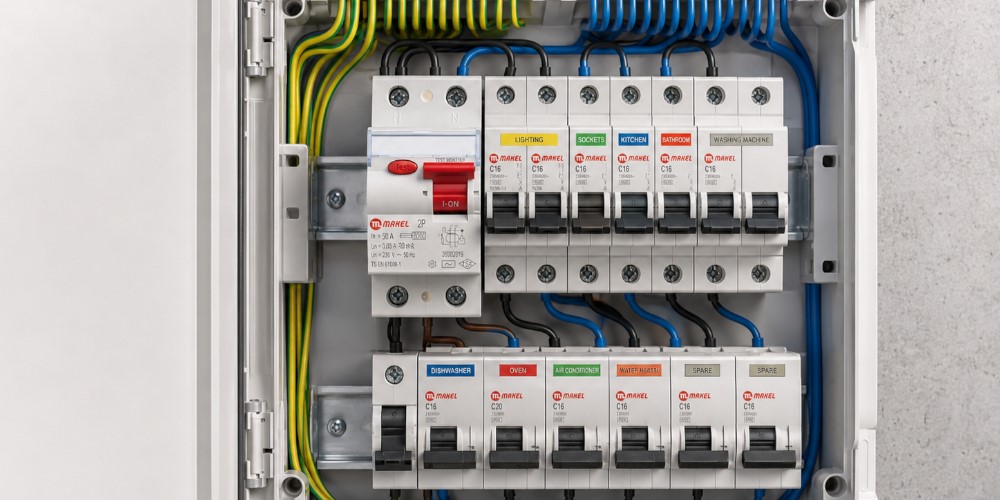
In our homes and workplaces, massive networks of wires hidden behind the walls carry electrical energy directly to our rooms, sockets, and appliances. However, there is only one central hub where this entire energy flow is safely managed, monitored, and protected: the electrical panel (distribution board).
A safe, code-compliant home electrical panel is not just a grey box where we flip a switch back up during a power outage; it is the most critical safety base that prevents electrical fires, device failures, and fatal electric shocks. In this guide, we will examine the mandatory components that must be present in a modern distribution board, and cover the technical details and safety standards you should look for during an electrical panel installation.
What Should Be in a Circuit Breaker Panel? Mandatory Equipment
According to electrical installation codes and international low-voltage equipment standards, specific components must be present in a modern breaker panel to protect life and property. Here is the essential equipment:
1. Main Disconnector and Residual Current Devices (RCD/RCCB)
At the very entry of the panel, there must be a main load-break switch to completely cut off the power coming from the grid. To protect lives and guard against electrical fire hazards, residual current devices are installed:
-
300mA Fire Protection RCD: Typically located on the main building entry panel to secure property and infrastructure.
-
30mA Life Protection RCD: This must be used on the indoor panel serving residential lighting and socket lines (branch circuits) to protect humans from fatal shocks.
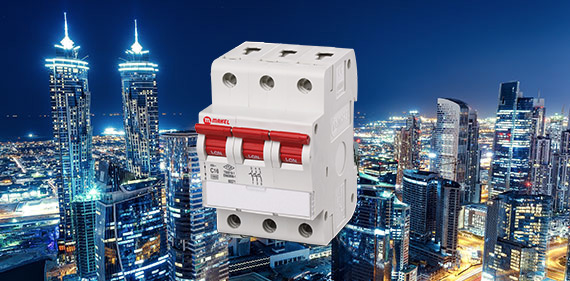
2. Miniature Circuit Breakers (MCBs)
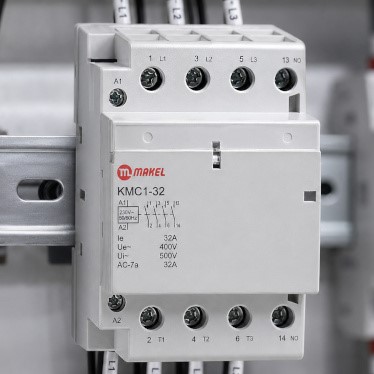
Protecting individual branch lines from overcurrents and short circuits, miniature circuit breakers are the core components of any electrical panel. For lighting circuits, 10A (Type B) breakers are standard, while 16A or 20A (Type C) breakers are preferred for socket lines and heavy-duty appliances like air conditioners, ovens, and washing machines.
3. Distribution Busbars (Neutral and Ground Busbars)
To prevent wire clutter and ensure solid, reliable connections for neutral and ground lines, copper busbars are used. Utilizing a high-quality busbar completely eliminates the risks of overheating and electrical arcing associated with loose, spliced wiring.
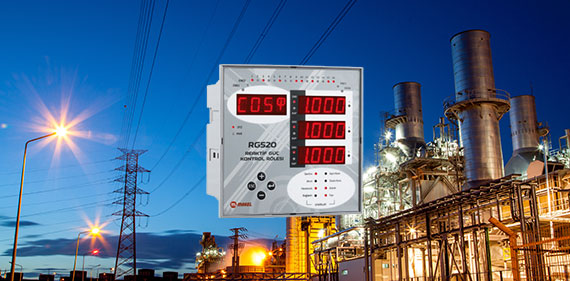
4. Indicator Lights and Labeling Arrays
The panel should include rail-mounted indicator lights showing which phases are currently active, along with a clear labeling directory detailing which breaker controls which room or appliance in the home. This allows for fast, correct intervention during emergencies.
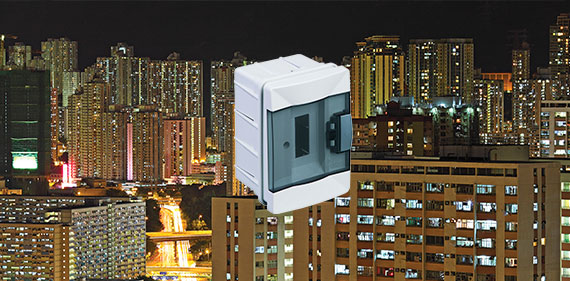
In modern electrical projects, all of this mandatory equipment is housed and protected inside high-quality, heat-resistant, impact-resistant polymer distribution board enclosures.
How to Set Up an Electrical Panel: Proper Installation Rules
A professional electrical panel installation depends on following strict technical standards during assembly:
-
Thermal Management and Spacing: Low-voltage switchgear components generate a certain amount of heat while operating under load. During installation, breakers should not be crammed together too tightly; choose a panel box size that offers at least 20% spare space beyond the current module count.
-
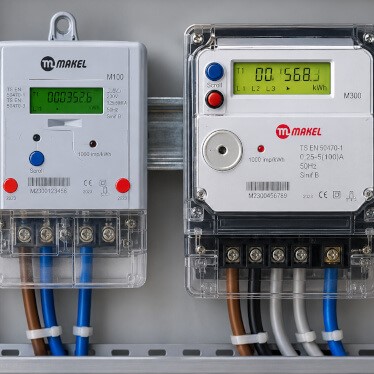
Wire Organization and Color Coding: Chaotic, randomly pulled wires are a major fire hazard. Use plastic spiral conduits, cable ties, and wiring ducts to maintain neat wire paths. In accordance with standards, Phase wires should be brown/black, Neutral wires blue, and Ground wires yellow-green.
-
IP Protection Rating: Depending on where the panel is mounted (such as damp basements, outdoor walls, or utility areas near kitchens), pay close attention to the IP (Ingress Protection) rating. While an IP40 rating is sufficient for indoor residential panels, areas exposed to moisture require a much higher IP rating.
Secure the Heart of Your Electrical System
Your distribution panel is the safety shield of your home or office. The quality of the switchgear, the tidiness of the wiring, and the robustness of the busbars directly dictate the operational lifespan of your electrical grid. Choosing low-voltage components and distribution boards manufactured to rigorous international safety standards ensures your power infrastructure remains safe, reliable, and under control at all times.