






The Rise of Energy Management Software: What Will Middle-Sized Enterprises Use in 2026?
Because the increase in global energy prices and sustainability-focused legal regulations are putting pressure on the operational budgets of middle-sized enterprises, tracking energy consumption data with manual methods is becoming impossible, making the 2026 vision of digitizing this data an inevitable necessity. Energy prices continue to rise. Businesses must cut expenses. Digital monitoring is a basic tool. Data must be collected instantly. Efficiency is measured this way. Using energy management software speeds up saving processes. Profitability increases with correct data.
Energy managers want to monitor every point of the facility. Manual readings increase the error margin. Digital systems provide error-free data. Paper reports are disappearing completely in 2026. All processes are becoming digital. Business owners track costs instantly. Efficiency becomes measurable with this method.
Cloud-Based Systems: Transition from Local Servers to SaaS Models
Cloud-based software solutions, which deactivate costly processes such as physical server installation and complex hardware maintenance, allow data to be accessible from any location, providing operational flexibility to business managers while the collection of data in a central system brings high security standards. Software updates happen automatically. Equipment investment decreases. Data is stored in secure servers. Accessibility speed increases. Businesses adapt to technology easily. Cloud-based energy monitoring systems provide operational speed.
Cloud-based models are becoming popular. Middle-sized enterprises reach high technology with this method. Large initial costs are not paid. Monthly or yearly payments protect cash flow. The system remains up to date. The risk of data loss drops to the lowest level. Access is possible from anywhere with internet.
Real-Time Tracking: Critical Role in Reactive Penalty Management
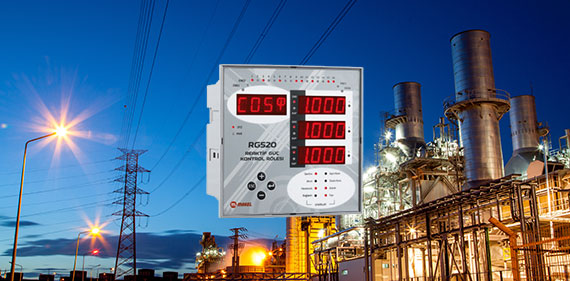
Real-time tracking modules, developed to protect grid stability and prevent reactive energy penalties in bills, send instant warnings to authorized personnel when capacitive or inductive limits are pushed, reducing the response time to seconds. Reactive power tracking must be precise. Exceeding limits increases costs. Smart software prevents this risk. The power factor is monitored continuously. Panels are controlled by software.
Businesses avoid paying unnecessary penalties. Capital remains in the safe. Penalties directly lower profitability. Real-time data eliminates this risk. The system sends notifications automatically. Maintenance personnel receive warnings. Response time shortens. Technical actions are supported by data.
Integration Technologies: IoT and Communication Infrastructure
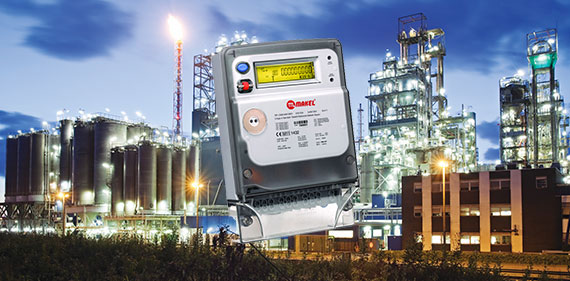
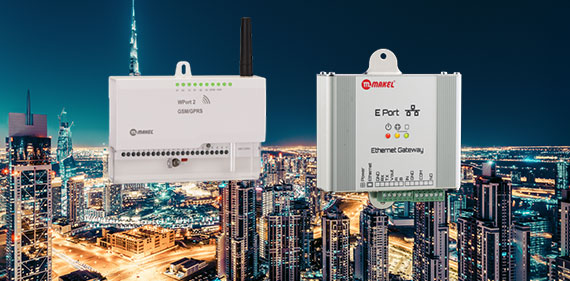
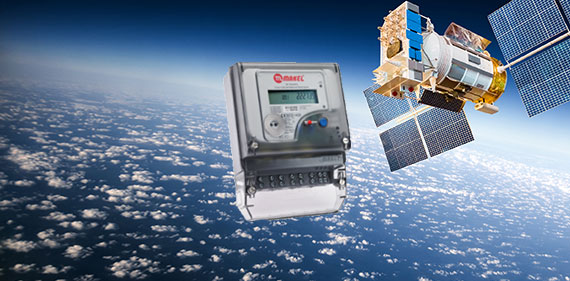
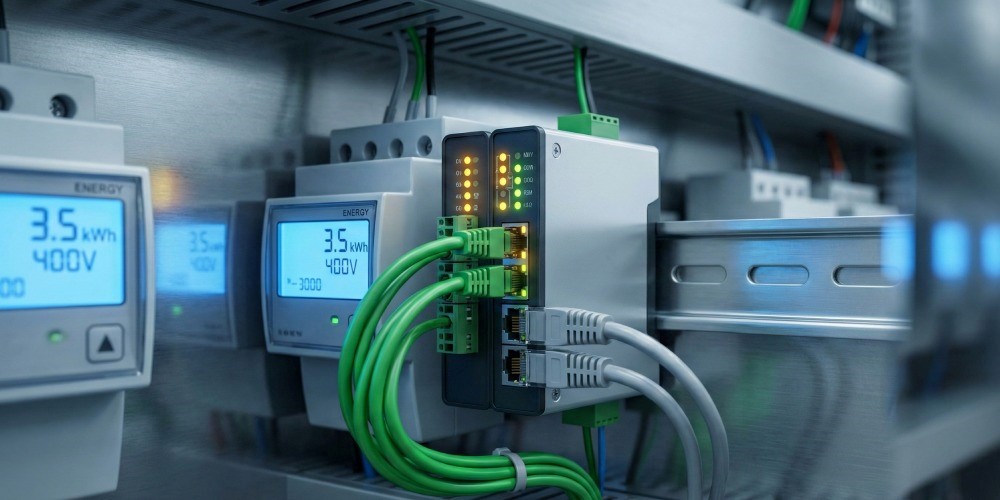
Smart measurement devices and analyzers that provide data transfer over industrial communication protocols connect to central management software via IoT gateways, ensuring that all electrical parameters in the field are transferred to digital platforms within milliseconds. Remote meter reading systems use this infrastructure. Measuring devices offer high precision. Gateway devices carry data to the cloud. Communication continues without interruption. Combi meters record every detail.
Data traffic flows through secure channels. The load profile in the meters is transferred to the software. Users compare historical data. Devices operate in harsh industrial conditions. Hardware and software harmony increases performance. Smart solutions offer full integration. Cabling costs are optimized.
2026 Projections: Artificial Intelligence and Predictive Maintenance
With the inclusion of artificial intelligence algorithms in data analysis processes, energy management systems in 2026 will go beyond reporting the current status and reach a proactive structure that can predict potential failure points and efficiency losses based on past data. Energy efficiency reporting processes are changing. Manual analyses are replaced by predictions. Predictive maintenance reduces failure costs. Production lines do not stop.
The system monitors harmonic distortions. The life of motors is extended. Energy quality improves continuously. Software suggests points with saving potential. Decision support systems develop. Factories of the future work with this intelligence. Efficiency targets are audited automatically.
Manual Tracking vs. Software-Based Automatic Monitoring
The differences between traditional methods and digital monitoring are directly reflected in the financial statement of the business. The following table compares these two approaches based on key criteria:
|
Feature |
Manual Tracking |
Software-Based Automatic Monitoring |
|
Data Collection Speed |
Monthly (Bill-Based) |
Real-Time (Instant) |
|
Error Margin |
High (Human-Induced) |
Near Zero (Digital) |
|
Reactive Penalty Risk |
Uncontrolled |
Safe with Instant Warning |
|
Reporting Time |
Days of Manual Work |
Automatic with One Click |
|
Efficiency Analysis |
Estimated |
Data-Driven and Exact |
|
Maintenance Approach |
Reactive (Post-Failure) |
Predictive (Pre-Failure) |
|
Data Security |
Lost Paper Records |
Encrypted and Redundant Cloud |
B2B Buying Guide: What Should Businesses Look for When Selecting Software?
While businesses need to prioritize technical criteria such as compatibility with existing hardware infrastructure, scalable architecture, and data security protocols when selecting energy management software, these choices constitute a strategic investment that directly determines long-term operational profitability. A user-friendly interface is important. Reporting capacity should be examined. The system must be expandable. Technical support opportunities should be researched. Cost analysis must be performed.
Software investment pays for itself in a short time. The business gains competitive power. Low-cost production opportunity arises. Efficient energy use increases brand value. Sustainability reports are prepared professionally. Data is monitored transparently. Corporate image is supported by data.
Energy Efficiency on the Axis of Profit and Loss
When energy costs reach a significant part of total expenditures, every unit of saving is written directly into the profit column, and for a middle-sized enterprise, an increase in efficiency means high annual earnings. Energy efficiency reporting guarantees this gain. Waste points are found immediately. Machines running idle are detected. The energy profile is optimized.
The digitalization process continues to grow with its own data once complete. Predictions become accurate as data accumulates. The business stores its history in its digital memory. The effect of seasonal changes on energy is seen. Uncertainties disappear. Correct technology selection secures the future.