


Energy Monitoring: How Can You Analyze Consumption in Real-Time?
Energy was previously viewed only as a cost item, but it is now a strategic part of sustainability. Monitoring energy consumption in real-time for structures like industrial plants, offices, and residential projects is the most effective way to increase efficiency. Modern monitoring solutions allow users to analyze consumption habits deeply and observe load fluctuations. These tools help develop data-based saving strategies on a scientific level.
How Do Energy Monitoring Systems Work?
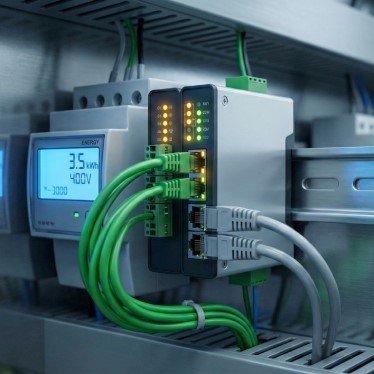
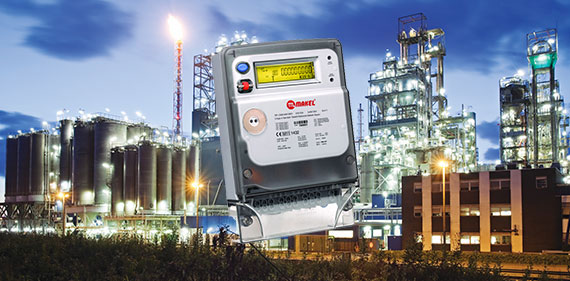
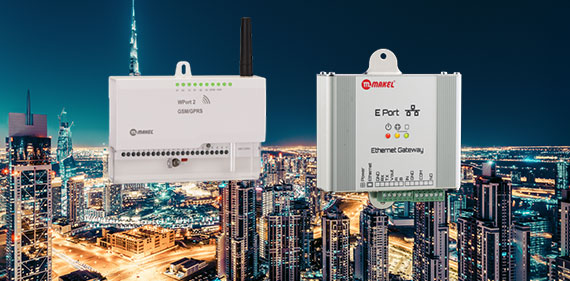
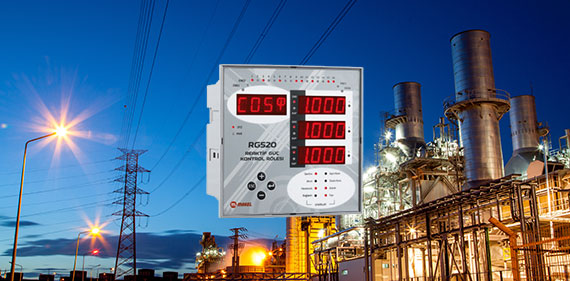
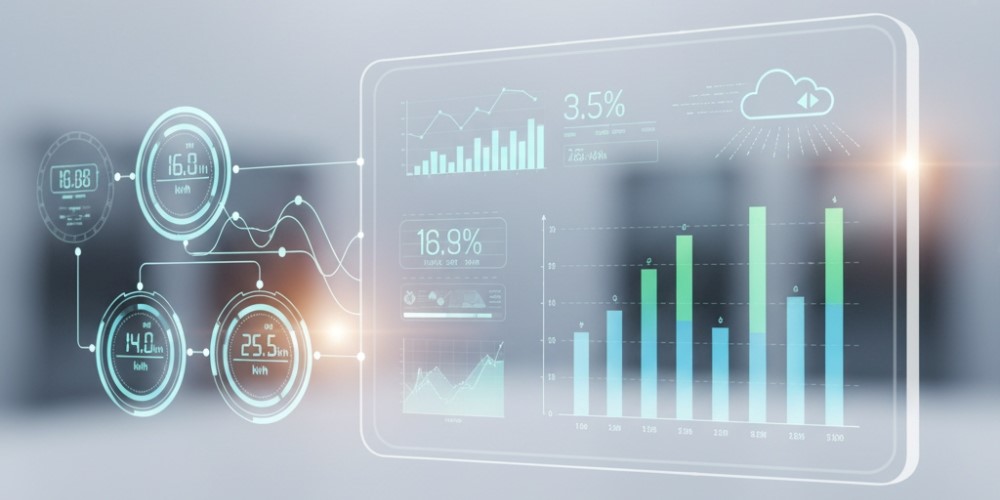
Integrated energy monitoring systems utilize smart measurement devices, data collection units, and cloud-based analysis platforms. These systems transfer data collected from energy lines to a central hub in real-time. The data is then presented to users through an intuitive and easy-to-understand interface.
The core components of these systems include:
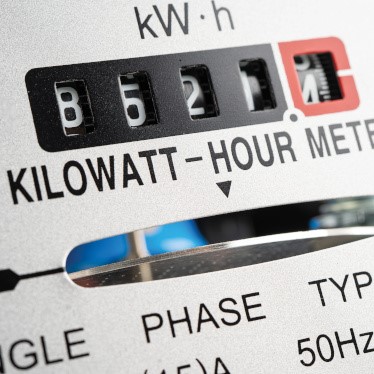
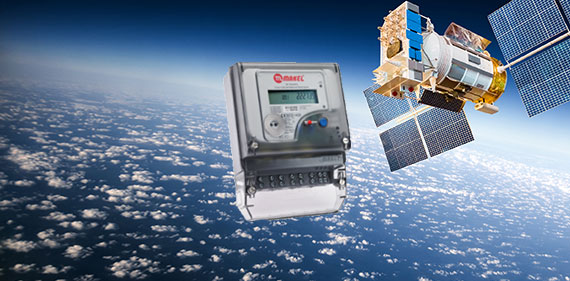
- Smart Meters and Measuring Devices: These measure energy consumption with high precision.
- Energy Monitoring Software: This displays data through a real-time graphical interface.
- Warning and Notification Module: This emits an immediate signal when consumption limits are exceeded.
- Reporting Tool: This analyzes energy performance and presents reports in daily, weekly, or monthly periods.
Live Energy Tracking: The Smart Way to Save
Real-time energy monitoring is a dynamic technology that helps businesses and households reduce expenditures. These systems allow you to distinguish between necessary expenses and unnecessary waste clearly. Noticing usage trends is the first step toward efficiency. By adjusting consumption during peak hours, you can benefit from lower tariffs and reduce bills instantly.
This approach offers a data-driven energy management model that exceeds the limits of classic saving methods. Monitoring solutions can also detect equipment failures or energy leaks at an early stage. This reduces unexpected downtime and lowers maintenance costs. Ultimately, these systems provide a significant advantage for long-term sustainable savings.
Data Analysis and Energy Consumption
Examining energy expenditures is a cornerstone of achieving a sustainability vision. Analyzing collected data reveals where energy is overspent and which equipment shows low efficiency. Guided by these analyses, businesses achieve several benefits:
- They plan energy budgets with a more accurate perspective.
- Efficiency strategies are supported by measurable targets.
- They take concrete steps to reduce their carbon footprint.
Real-time data analysis transforms energy management into a model based on concrete measurements and continuous improvement.
Usage Areas and Applications
Energy monitoring systems serve as effective tools in various key areas:
- Industrial Facilities: They provide oversight for production lines.
- Large Buildings: They manage consumption in multi-story structures like malls and hotels.
- Office Buildings: they are used to examine and manage expenditure costs.
- Smart Residences: They provide user-oriented consumption measurement for residential projects.
Frequently Asked Questions
Is it difficult to set up an energy monitoring system?
No, these systems use a modular architecture that can be integrated into existing infrastructure easily.
How do we obtain real-time data?
Devices complete measurements in seconds and send the data quickly to cloud-based software.
Is it suitable for small businesses?
Yes, the scalability of the system makes it compatible for the needs of SMEs.
Is there a mobile application?
Access to the monitoring cloud is available through web browsers or mobile device interfaces.
Summary: Measurable Energy Efficiency
Increasing energy efficiency is possible only when you can measure it. Advanced monitoring solutions allow you to see electricity consumption clearly to unlock savings. Real-time analysis capabilities enable an environmentally sensitive attitude while contributing to a positive business budget.