




The Smart Way to Lower Your Electric Bill: Energy Saver Switch Guide

In today's world, energy efficiency in buildings and sustainability are among the most critical agenda items, both for protecting global resources and optimizing individual budgets. A significant portion of the electricity consumed in living spaces is caused by lighting left on when no one is in the room, devices forgotten in stand-by mode, and air conditioning systems running unnecessarily.
Autonomous solutions that eliminate the human error factor are among the most technological and definitive answers to maximizing efficiency. Foremost among these solutions are energy saver switch (key card) systems, famously known from hotels but rapidly expanding into modern residential and office projects.
What is an Energy Saver Switch and How Does It Work?
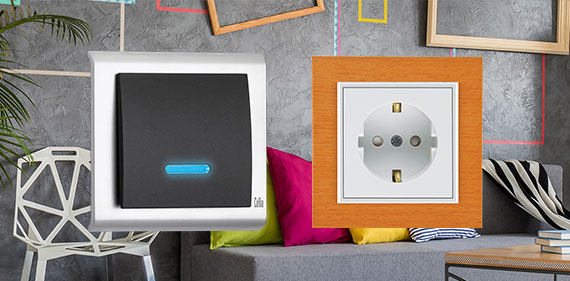
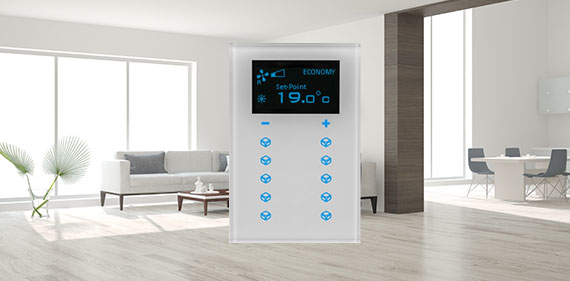
An energy saver is a card-activated or sensor-based switching mechanism that activates the electrical current when entering a space and automatically cuts off the entire system when leaving. Its primary purpose is to ensure electricity savings when a room is unoccupied.
The system works on a very simple logic:
-
When you enter the room, you insert your RF (Radio Frequency) or magnetic key card into the slot mounted on the wall.
-
Once the card is detected, the mechanism triggers, and power is delivered to the lighting, socket, and climate control circuits assigned to that room.
-
When leaving the room and taking your card with you, the system counts down a delay time (usually 15 to 30 seconds). This delay prevents the lights from turning off instantly so you can exit the room safely. Once the time expires, the power to the main lines is automatically cut.
What is an Energy Saver Relay? Why Your Installation Needs It
Energy saver switches are not designed to directly carry the high current drawn by heavy appliances like air conditioners or water heaters. To prevent the delicate electronic circuits inside the card slot from being damaged by high current spikes, an auxiliary component is used. This component is called an energy saver relay.
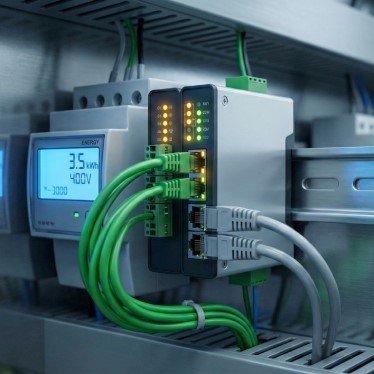
When the wall-mounted switch detects the card, it sends a low-current signal to the relay located inside the main distribution board. This relay, equipped with heavy-duty contacts, takes on the actual electrical load to open or close the circuit lines of the room. This extends the system's operational lifespan to tens of thousands of cycles and prevents fire risks associated with high currents.
Energy Saver Relay Wiring Diagram and Technical Details
Designing a correct energy saver wiring diagram requires technical expertise to ensure grid safety and stable operation. A standard energy saver relay wiring diagram consists of these main components:
-
Mains Supply: The main Phase (L) and Neutral (N) lines coming from the distribution board are connected to the supply terminals of the energy saver relay.
-
Control Line: The signal cable coming from the card switch on the wall enters the trigger (A1-A2) terminals of the relay.
-
Load Outputs: The phase lines of the circuits to be controlled (such as lighting, sockets, and AC units) are routed through the normally open (NO) contacts of the relay and distributed to the appliances.
Crucial Technical Note: Critical appliances that require continuous power, such as refrigerators or minibars, must bypass this relay and be fed directly from an uninterrupted grid circuit breaker.
The Real Impact of Energy Saver Systems on Electric Bills
By eliminating unnecessary lighting and the "vampire loads" of devices left in standby mode, a net reduction of 15% to 30% is observed in overall electricity bills. Especially in spaces utilizing central climate control (VRF/AC systems), preventing the air conditioner from running while windows are open or the room is empty delivers massive savings that easily amortize the initial investment cost within a few months.
Design the Efficient Buildings of Tomorrow, Today
The worry of leaving the lights on when leaving a room is a thing of the past, thanks to modern automation solutions. Makel's high-material-quality energy saver switches and board-type relay solutions provide top-tier safety in your buildings while placing your energy budget under total protection.