


5 Hidden Costs Missed by Businesses Without Energy Monitoring (With Data)
Energy costs are one of the largest expense items for industrial facilities and commercial buildings. Most business owners view the electricity bill merely as an "amount to be paid." The total figure at the bottom line is actually the tip of the iceberg. Businesses that do not use energy monitoring systems lose a significant share of their budget every month due to undetected losses.
The principle "You cannot manage what you cannot measure" is a definite rule for the energy sector. Energy management not based on data is like walking in the dark. When businesses do not use modern analyzers and software, they lose cash flow in the 5 critical points listed below.
1. Reactive Power Penalties: The Silent Expense Item
The most common hidden cost in electricity bills is the reactive energy charge. According to regulations, businesses above a certain installed power must not consume inductive or capacitive energy above specific limits relative to active consumption.
Facilities with malfunctioning compensation panels or lack of monitoring exceed these limits. The business pays for the active electricity it uses, plus the cost of reactive energy that occupies the grid unused.
- Data: In facilities without proper monitoring, the reactive penalty fee can reach up to 20% of the total bill.
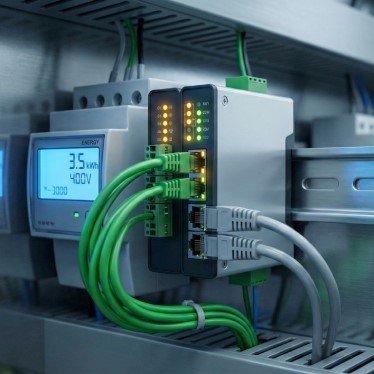
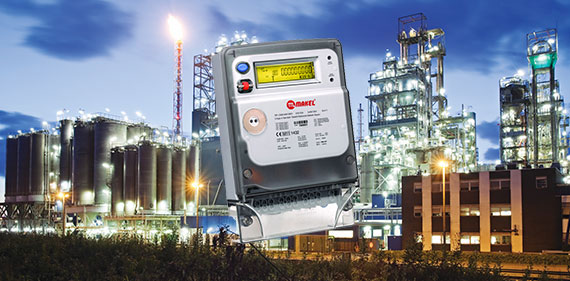
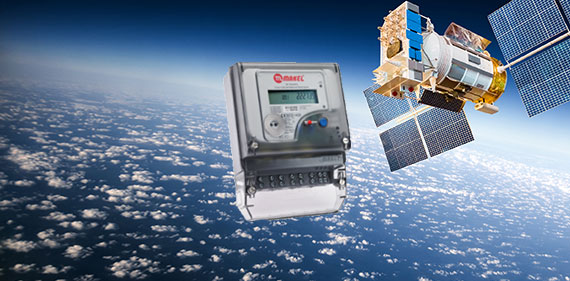
- Makel Solution: Makel T715 Series Combi Meters measure active and reactive energy with precise (Class B) accuracy. They record inductive and capacitive loads separately. This provides an early warning before you approach penalty limits.
2. Peak Demand Exceedances and Wrong Tariff
Energy suppliers may price electricity based on the maximum power (demand) the business draws instantly. Large motors or heaters in the facility starting simultaneously create a sudden "peak" in the demand curve. This peak point can be the multiplier determining that month's bill.
Energy monitoring software reports these peaks. Managers prevent demand exceedance by spreading loads throughout the day (load shifting).
- Data: A factory without load balancing can increase its unit energy cost by 10-15% simply by running machines at the wrong time.
- Makel Solution: The maximum demand measurement feature in Makel meters records the highest power draws in 15, 30, or 60-minute periods. With this data, you can identify your business's "peak" hours and optimize shift planning accordingly.
3. After-Hours "Phantom" Consumption
Energy consumption does not reset after the facility closes or the shift ends. Devices in standby mode, forgotten lights, or ventilation units running unnecessarily continue to consume energy. We call this "phantom consumption."
A business without a monitoring system cannot know how much energy it spends during the night. Smart meters and analyzers detect abnormalities during off-hours.
- Data: In an office building or workshop, 7% to 12% of total consumption occurs outside working hours.
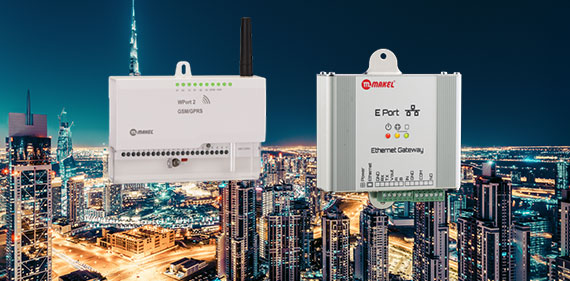
- Makel Solution: You can report night consumption remotely and instantly with USOBİM (Remote Meter Reading Processing Center) software. Meters communicating via the RS485 port allow you to detect leaks via a web-based interface without visiting the facility.
4. Equipment Inefficiency and Maintenance Costs
Motors, compressors, and pumps lose efficiency over time. Friction increases, filters clog, and the device draws more current to do the same job. It is impossible to notice this increase with manual checks.
Meters that generate load profiles reveal device-based consumption trends. You can see instantly if a motor draws more current than normal. This allows for maintenance before a breakdown occurs (predictive maintenance).
- Data: An unexpected motor failure stops production. The cost of unplanned downtime can rise to 10 times the repair cost.
- Makel Solution: The extensive load profile memory of Makel meters can keep detailed records for up to 180 days (e.g., T705 series). Analyzing this data provides information about the health status of the devices.
5. Energy Quality and Harmonic Distortions
Not only the amount consumed but also the quality of energy is a cost. Harmonics, voltage drops, and fluctuations cause sensitive electronic cards to burn out. "Dirty energy" shortens the life of devices.
Standard meters do not measure this quality. Devices with harmonic measurement features report pollution in the grid. The business protects its devices by installing necessary filters.
- Data: The replacement cost of electronic cards failing due to poor energy quality can constitute 15% of the annual maintenance budget.
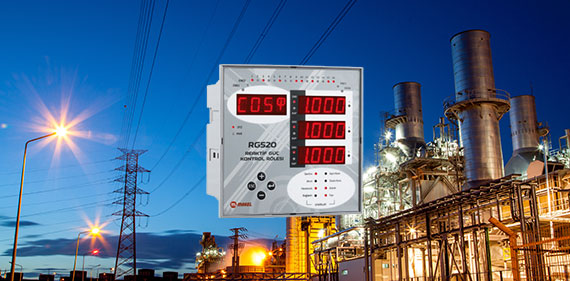
- Makel Solution: The harmonic analysis up to the 15th degree feature, offered optionally in some Makel models, helps you detect grid pollution. Additionally, it displays instant voltage and current values on the LCD screen, allowing you to notice phase imbalances immediately.
Table: Comparison of Monitoring vs. Non-Monitoring Business
The table below clearly reveals the financial difference of having an energy monitoring system.
|
Expense Item |
Business Without Monitoring |
Business Using Makel USOBİM |
|
Reactive Penalty |
Noticedwhen the bill arrives. Usually paid. |
System warns beforelimit isexceeded. No penaltypaid. |
|
Breakdown Response |
Production stops whenmachinebreaks. |
Consumption increase predicts failure beforehand. |
|
After-Hours Use |
10% annual loss occurs. |
Unnecessary loads turn off via automatic notifications. |
|
Bill Verification |
Supplier's bill is accepted. |
Bill is audited penny by penny with T715 data. |
|
Data Security |
Open to manual reading errors. |
100% accuracy with digital and encrypted data transfer. |
Eliminate Invisible Expenses with Makel
There is no need to cut production to reduce energy expenses. The solution is to manage energy wisely. Makel's USOBİM OSOS solutions, T715 series combi meters, and M500 series single-phase meters provide businesses with full control.
Monitor data instantly, report it, and take action. Converting hidden costs into profit is possible with the right measurement devices. Competitive businesses preparing for 2026 standards are building their infrastructures with Makel technology today.