


What Is KNX and When Should You Use It for Smart Home Infrastructure?

In the modern building automation ecosystem, the KNX protocol—certified worldwide with the ISO/IEC 14543-3 standard—allows devices from different manufacturers to communicate seamlessly through a common language, providing unique operational continuity, especially in high-complexity large-scale residential and commercial projects, by preventing single points of failure from causing the entire network to crash thanks to its decentralized structure. KNX smart home infrastructure is the foundation of digital transformation. Systems work in total harmony with each other. All control is provided over a single cable line. Energy efficiency is carried to the highest level this way. Buildings of the future are being built on this standard.
While smart home technologies are developing rapidly, the biggest concern of users and investors is that the system will become obsolete in the future. KNX eliminates this risk as an open standard supported by more than 500 manufacturers. Makel KNX solutions add value to living spaces by working fully integrated with this global standard. Every module, from lighting to climate control, from shutter control to energy tracking, is part of this network.
Basic Working Principle of the KNX Protocol and Bus Topology
In this system, which is based on the transfer of data packets over a low-voltage BUS cable instead of managing the electrical loads in buildings with traditional methods, each sensor and actuator can communicate directly with each other without the need for a central brain because they have their own processors, significantly minimizing wiring complexity while increasing the flexibility of the system. The green BUS cable carries the data. Power supplies energize the system. Programming is done with ETS software. Hardware is defined with physical addresses.
When a switch is pressed in the system, this information turns into a data packet. The packet reaches the relevant actuator over the BUS line. The actuator carries out the command, and the light turns on. This process happens in milliseconds. Since there is no central unit, the failure of one device does not affect the others. This feature is the strongest aspect that distinguishes KNX systems from wireless or centrally controlled systems.
When Should KNX Be Preferred? Decision Criteria
As the scale of the project increases and the number of different disciplines (heating, cooling, lighting, security) to be controlled grows, wireless systems' bandwidth and signal range limits begin to fall short; the long-term reliability, scalability, and the necessity of creating a hybrid structure with products from different brands make the KNX protocol the only professional solution. This system is inevitable in large villas. It provides energy savings in hotel projects. It offers central management opportunities in residences. It is the most stable choice for professional office buildings.
The return on investment period should be considered. KNX may seem higher cost initially. However, it pays for itself with energy savings and low maintenance costs. Device lifespans are quite long. KNX devices from 20-30 years ago are still working today. This continuity is a critical selection criterion for commercial buildings.
Smart Building Functions with Makel KNX Products
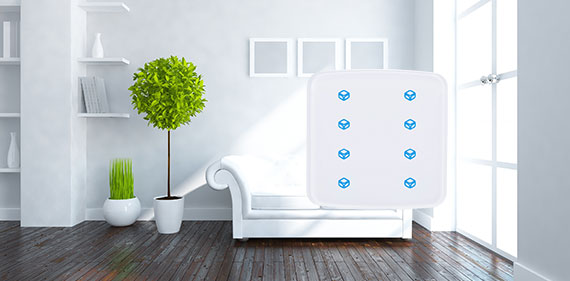
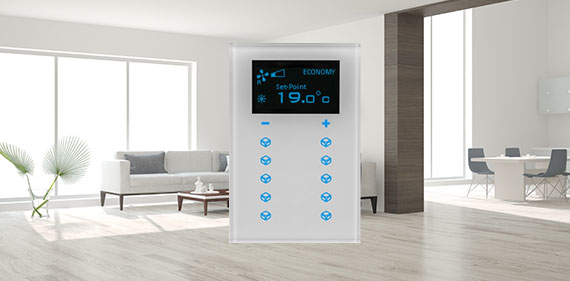
KNX-compatible switching modules, dimmer units, and multifunctional sensors developed in Makel's R&D centers increase the quality of life of users by combining aesthetic designs with high engineering details while providing the technical infrastructure for the implementation of smart scenarios that optimize energy consumption. KNX smart home infrastructure is strengthened with Makel products. The entire home is managed through touch panels. Presence sensors prevent unnecessary consumption. Climate control modules keep comfort constant. Switching modules safely manage all types of loads.
"Daylight harvesting" can be done in lighting control. Sensors measure the light level outside. They automatically adjust the brightness of the interior luminaires. This process provides energy savings of up to 40%. Curtains and shutters are positioned according to the sun. All energy is cut with a single touch with the "leaving home" scenario. Thanks to the universal interfaces offered by Makel, even traditional switches can be included in the KNX system.
2026 Vision: KNX and AI Integration
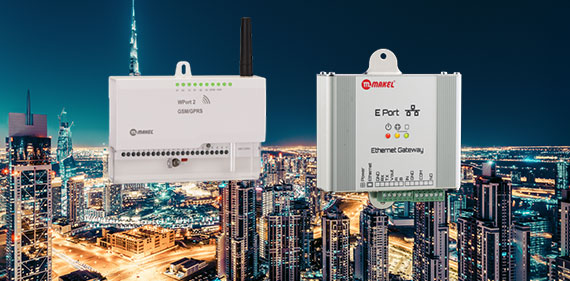
As we move toward 2026, KNX infrastructures are transforming into proactive systems that learn user habits and autonomously manage the building by analyzing weather data and energy prices through IoT gateways connected to cloud-based artificial intelligence services. Energy management is no longer passive. Systems predict failures in advance. Energy quality is continuously monitored. Carbon footprint reporting is done automatically.
AI uses the data pool provided by KNX. It analyzes when which room heats up. It stops wasting energy when no one is around. This smart management is valuable for sustainability goals. KNX is one of the strongest pillars for green building certificates (LEED, BREEAM). Building data is followed instantly with digital twin technologies.