


UK-Type Sockets and Special Standards: Where Required and What to Check During Installation
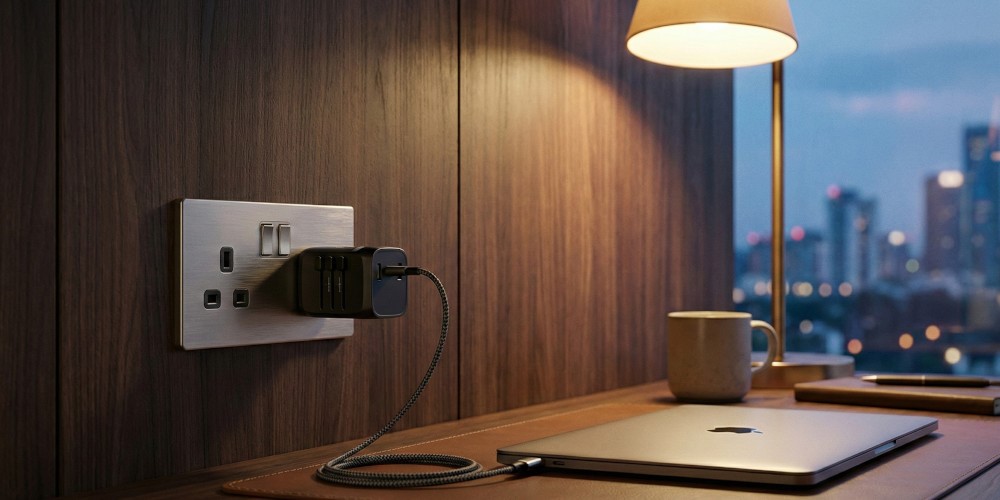
In the international construction and contracting sector, electrical installation projects shaped under the strict rules of British standards (BS 1363) require the mandatory use of UK-type socket systems equipped with internal fuses and special safety mechanisms to protect device safety and dampen overcurrent risks on-site, which has become a fundamental part of modern engineering approaches. These sockets are known globally as Type G. Electrical safety is at the highest level in these systems. The risk of making a wrong connection is completely eliminated thanks to the mechanical structure. Compliance with these standards is a critical necessity in technical specifications.
Many prestigious projects, from tourism facilities to technology centers, need these special socket systems. Makel’s British Type Group products provide professional solutions by fully complying with international norms. Correct product selection directly determines the life of the system. Error-free application lowers operational costs.
The Architectural and Engineering Necessity of UK-Type Sockets
In electrical contracting works carried out in global hotel chains, luxury residential projects in Gulf countries, or geographies following Commonwealth standards, the installation of these sockets is accepted as one of the most basic requirements of projects so that end users can safely operate their own devices without needing any adapters. These sockets increase comfort in areas with high tourist density. They are a legal requirement in Middle East projects. In regions like Cyprus, the entire power distribution infrastructure is built upon this system.
These sockets are frequently encountered in modern office designs and data centers. International companies aim to maintain their global standards in their workspaces. This approach directly shapes the installation design. Meeting these technical needs without compromising architectural aesthetics requires high professionalism.
BS 1363 Standard and Technical Distinctions
The most basic feature that distinguishes UK-type socket systems from others is the protection mechanism that makes it physically impossible for children or conductive foreign objects to touch live parts, thanks to special safety shutters located in front of the socket holes that only open when the earth pin enters the socket. The earth pin is produced longer than the other two pins. This length difference triggers the safety mechanism. The rectangular shape of the pins stabilizes the connection mechanically. Current transmission occurs much more stably this way.
UK Type Socket Installation Requirements and Application Principles
When planning the installation of UK-type sockets during the assembly phase, every technical detail—from the backbox depth required by the unique rectangular form of the socket to the cable connection type—must be carefully coordinated with special junction boxes and insulation materials compatible with fire regulations. UK type socket installation requirements show great differences from standard socket systems. The depth of the backbox inside the wall should be kept at a minimum of 35 mm. The rear mechanism volume is wider than other models. Using cable lugs significantly reduces connection resistance.
The following technical criteria must be met during the installation process:
-
Box and Junction Compatibility: UK-type sockets are designed in square or rectangular forms. Standard round junction boxes are not suitable for these products.
-
Ring Circuit Design: British installation systems are generally built on a ring circuit structure. The wiring plan must be arranged according to this structure.
-
Grounding Continuity: The safety line provided through the earth pin must not be interrupted at any point. Conductivity tests must be performed after installation.
-
Tightening Torque Values: Terminal screws should be tightened with ideal torque so as not to crush the conductor but not to remain loose. Loose connections increase the risk of arcing.
Built-in Fuse and Overcurrent Protection
One of the main reasons why the UK-type plug and socket system is accepted as the safest system globally is the replaceable ceramic fuses located within each plug or, in some cases, the socket units, which protect the device directly. These fuses can be in different values such as 3A, 5A, or 13A. In the event of a short circuit in the device, the fuse cuts the circuit immediately. This situation provides local protection without the need for the main panel breaker to trip. Fire risks are stopped at the source this way.
Fuse replacement can be easily done by the user. Lidded compartments make this process safe. In Makel products, these compartments are produced from polycarbonate material with high thermal resistance. Contact surfaces offer low transition resistance thanks to their silver alloy structure.
Critical Installation Mistakes Made in the Field
At the top of the mistakes that technical teams fall into during the application phase are selecting mounting boxes narrow enough to make access to the fuse slot or terminals difficult and thermal heating problems resulting from connecting conductor cable ends directly to terminals without using ferrules. Boxes with insufficient depth lead to the crushing of cables. Insulation damage causes major failures over time. Using a fuse with the wrong ampere value renders the protection function ineffective.
The table below summarizes the differences between standard systems and UK-type systems:
|
Technical Feature |
Standard (Type F - Schuko) |
UK-Type (Type G - BS 1363) |
|
Pin Geometry |
Two round pins |
Three rectangular/square pins |
|
Built-in Fuse |
Usually not present |
Mandatory in plug or socket |
|
Nominal Current |
16A Standard |
13A Maximum (Fuse protected) |
|
Safety Shutters |
Available in optional models |
Mandatory per BS 1363 standard |
|
Box / Case Form |
Round (60mm standard) |
Square or Rectangular (BS compliant) |
|
Grounding |
Side spring contacts |
Independent and long earth pin |
Makel UK-Type Socket Group: Functionality and Aesthetics
To meet the technical and aesthetic needs of international projects, Makel combines high engineering plastics with silver alloy contacts in its UK-type product group, promising long-lasting use and responding to the expectations of professionals with wide color options that adapt to different interior designs. The products pass the Glow Wire Test with full success. They do not yellow thanks to their UV-resistant structures. They are in visual harmony with Lillium and other modern series.
Wide-volume terminal structures that make the job of technical personnel easier shorten the installation time. Each terminal connection point is clearly marked. This situation minimizes the margin of error. Our international certificates provide assurance in export-oriented projects.
Final Checks for Efficiency and Safety
Continuity and polarity tests to be performed after the installation process and before commissioning the system are of vital importance to ensure that the line is connected correctly and that the grounding resistance is within standards. Polarity errors can lead to the wrong supply of devices. Especially in UK-type systems, the direction of phase and neutral is fixed. This fixed structure must be protected for device safety.
Loop resistance in ring circuits must be measured. Loose connections can be detected with the help of thermal cameras. The suitability of fuse values for the load must be checked again. These steps ensure the problem-free operation of the installation for years.